
Sangue Merito editorial statement — November 17, 2026.
Sangue Merito condemns the generalization that turns waiting for Italian citizenship recognition into an alleged lack of initiative among descendants. Individuals and families deserve respect, especially from someone holding a consular position intended to serve a diaspora community.
The statement and its documented context
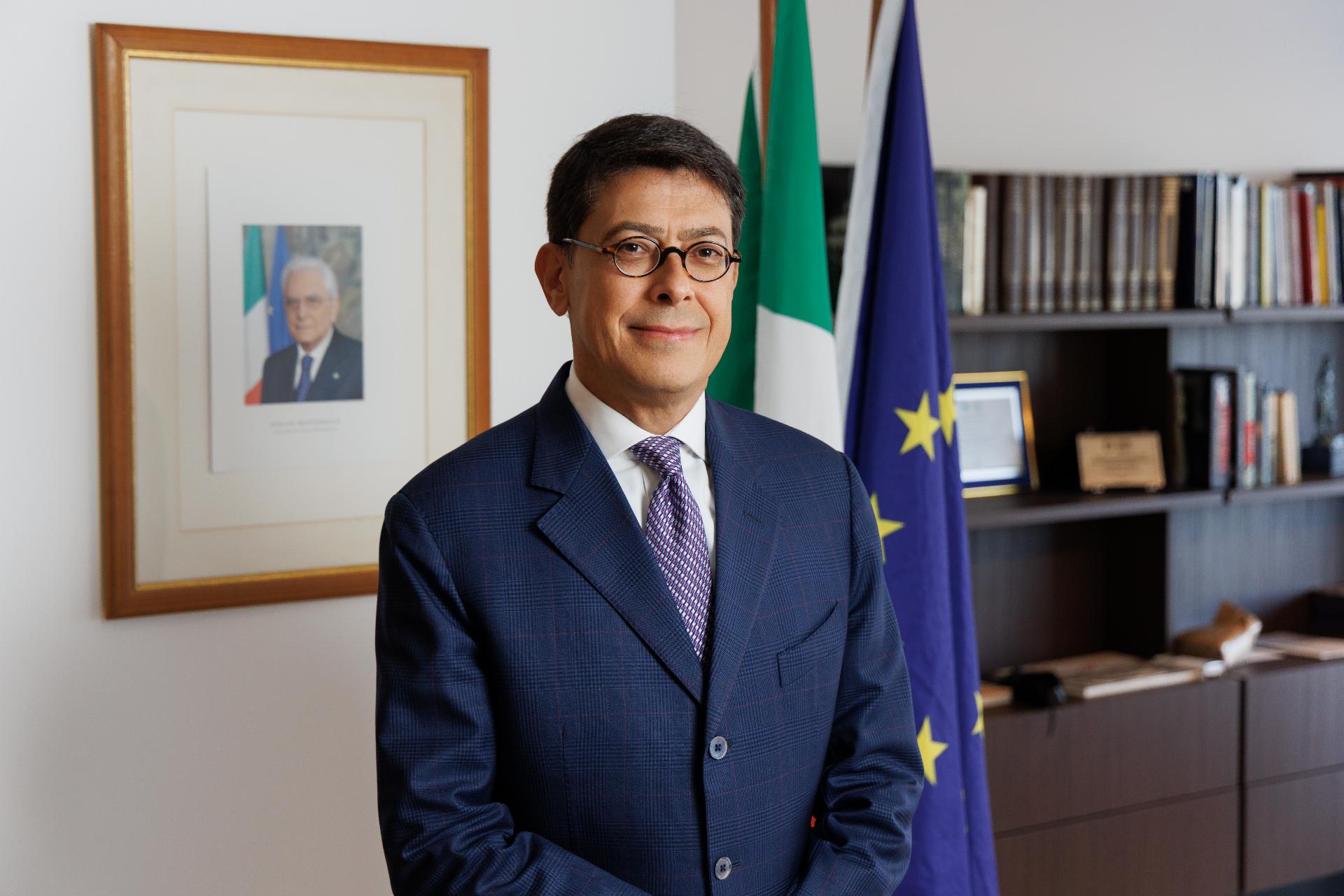
According to a Pioneiro report dated November 16, 2026, Luis Cavalieri said many descendants had acted too late and expressed regret for those waiting.
Acknowledging that regret is part of an honest reading. Nevertheless, in Sangue Merito’s view, the expression is inappropriate: it reduces very different family experiences to a judgment about individual motivation. Our criticism concerns the statement attributed to the consul and its institutional meaning, rather than his private life.
An unfortunate choice of words is not enough to conclude that the consul is unaware of the community’s reality or to dismiss his entire professional record. It is also necessary to read the full interview rather than just its headline: a headline highlights one part, while the text provides nuance. We do not attribute motives to journalists or use unsourced estimates about readers’ behaviour.
Nor do we deny that people sometimes postpone action. Within one family, some relatives may start gathering documents while others delay, for different reasons. Acknowledging this possibility does not tell us how many people did so, establish their motives or justify applying the same judgment to those already waiting for appointments. Our criticism concerns generalization, not a denial of individual responsibility.
People in the queue had already taken action
People who contacted the consulate and awaited an appointment cannot all be portrayed as having failed to act. Gathering certificates, locating records, correcting documents and waiting for service require work, resources and persistence. A family’s timeline may also be shaped by financial difficulties, limited knowledge of its own history and documentary obstacles.
In a review published in 2023, the consulate itself described strengthening its infrastructure and challenges in providing services. That institutional reality belongs in this discussion. We do not blame the current consul for earlier problems; we reject transferring responsibility for service limitations indiscriminately to applicants.
Staff shortages, bureaucracy, questions of interpretation, difficult communication and delays obtaining records from Comuni can affect the process. These obstacles should be examined case by case, without accusing all consulates or municipalities of unwillingness. One documented example is Law 379/2000: the São Paulo consulate states that the deadline for new declarations expired in 2010, while some proceedings remain ongoing. Missing a deadline and continuing to wait for a submitted case are different situations.
A personal history that also involved recognition
The official biography states that Cavalieri was born in São Paulo in 1969, joined the diplomatic service in 2002 and took office at the consulate in August 2026. Insieme reports recognition through descent. According to Pioneiro, he moved to Italy at 18 and later renounced Brazilian citizenship.
This history makes empathy with other families particularly important. Having found a route to recognition does not justify judging everyone else’s legitimacy by when they managed to follow it. Resources, information, opportunities and access to public services are not equally distributed.
A right by origin is not a reward for speed
We call for respect for Italians born abroad and people whose right by origin still requires recognition. For those meeting legal requirements, recognition should not be treated as a favour or as a reward for displaying enthusiasm at a time an official considers appropriate.
Precision matters: ancestry alone does not settle every case. The 2025 law changed the criteria, and being on a waiting list does not automatically mean having filed a complete application protected by earlier safeguards. The consulate’s current guidance distinguishes these situations. Our defence of families’ dignity does not replace individual legal assessment.
We also reject the suggestion that belonging must be justified solely by moving to Italy. Learning the language and understanding the culture are commitments Sangue Merito encourages. They should bring the community together, without turning an official’s personal trajectory into the sole measure of deservingness.
What we expect from consular representation
A consul represents the Italian State. In Porto Alegre, the role serves a community deeply connected to Italian emigration in Rio Grande do Sul, part of a worldwide diaspora. It requires listening, clarity and responsibility in the choice of words.
- Respect for those awaiting service, without assuming indifference or opportunism.
- Clear information about legal criteria, procedures and the status of applications.
- Recognition of the administrative and documentary barriers families face.
- Encouragement of Italian language and culture through inclusion, without dismissing roots preserved abroad.
The interview could have been an opportunity to explain these distinctions and bring consular representation closer to families. We hope the response to it allows that dialogue to resume more carefully, without reducing a person to a single phrase.
Sangue Merito expects public clarification and an approach that acknowledges the hurt caused by this generalization. We stand with those who waited, researched, gathered documents and continue to defend their connection with Italy. The diaspora deserves dialogue and respect.
Read our analysis of the rights of Italians abroad and our article on the importance of the Italian diaspora.
Further reading
Insieme analysis: consular queues and the consul’s statement.