
One history, many territories
History of Italy
Before becoming a country, Italy was already an idea, a cultural landscape and a mosaic of peoples. Its history spans Rome, medieval communes, maritime republics, the Renaissance, the Risorgimento and the Republic.
Knowing these layers helps foreign-born Italians understand where their families came from and why languages, customs, and regional identities traveled the world.
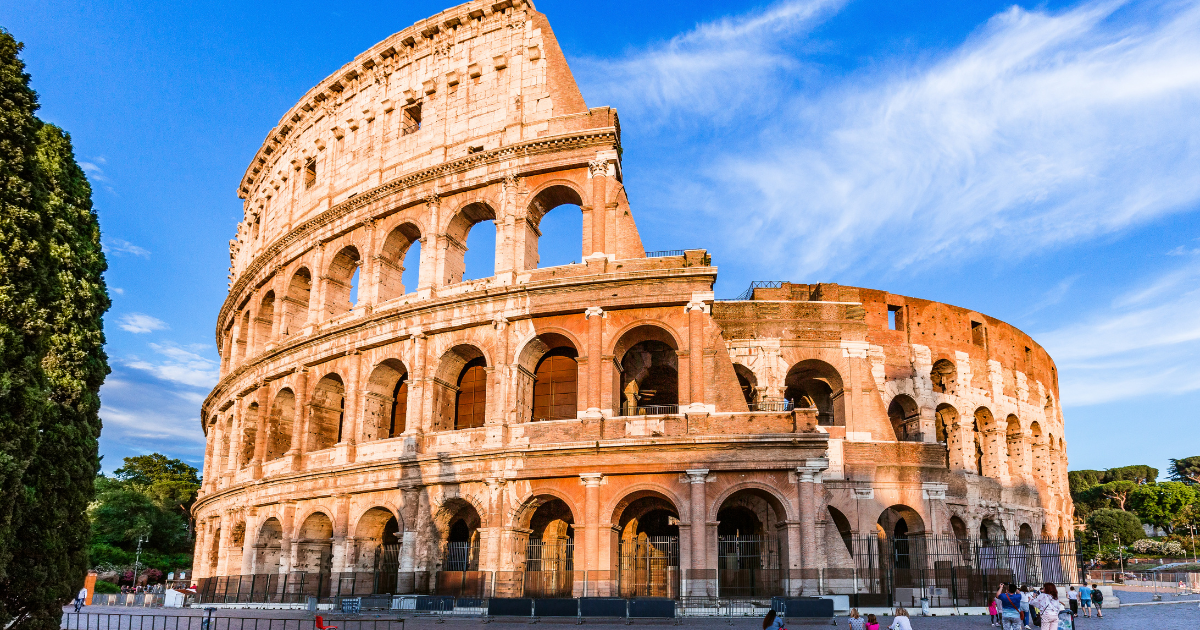
Before Rome
The peninsula was already a meeting of worlds
Etruscans, Italic peoples and Greek communities occupied different parts of the peninsula. There was no political Italy yet, but a territory of exchanges, cities, cults, routes and cultures was already being formed that Rome would bring together under a new order.
The name Italy came before the Italian State.
Ancient Rome
From city to empire
Rome transformed the peninsula and left a lasting legacy in law, language, engineering, administration and the idea of citizenship.
Roman Republic
Republican institutions organize power and support Rome's expansion across the peninsula.
Beginning of the Empire
With Augustus, Rome becomes the center of a domain that connects Europe, Africa and Asia.
End of the Western Empire
The fall of imperial power opens a long phase of kingdoms, cities and regional powers.
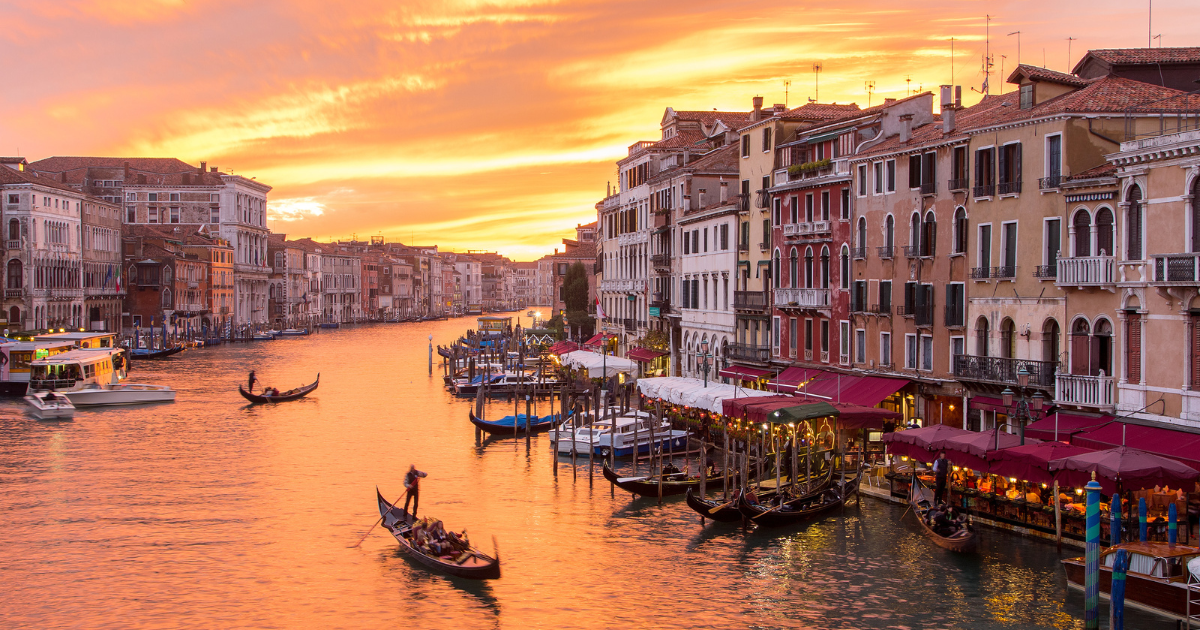
5th to 14th centuries
Kingdoms, communes and maritime republics
After Rome, the peninsula did not follow a single path. Lombards, Franks, Normans, the Papacy, the Holy Empire and local powers disputed territories and created distinct political experiences.
14th to 16th centuries
The Renaissance changes the way we look at the world
In cities like Florence, Rome, Venice and Milan, art, science, architecture and humanist thought gained new strength. The peninsula was still politically fragmented, but its cultural influence reached across Europe.
Dante, Leonardo, Michelangelo, Raphael, Machiavelli and Galileo are part of a heritage that crossed borders.
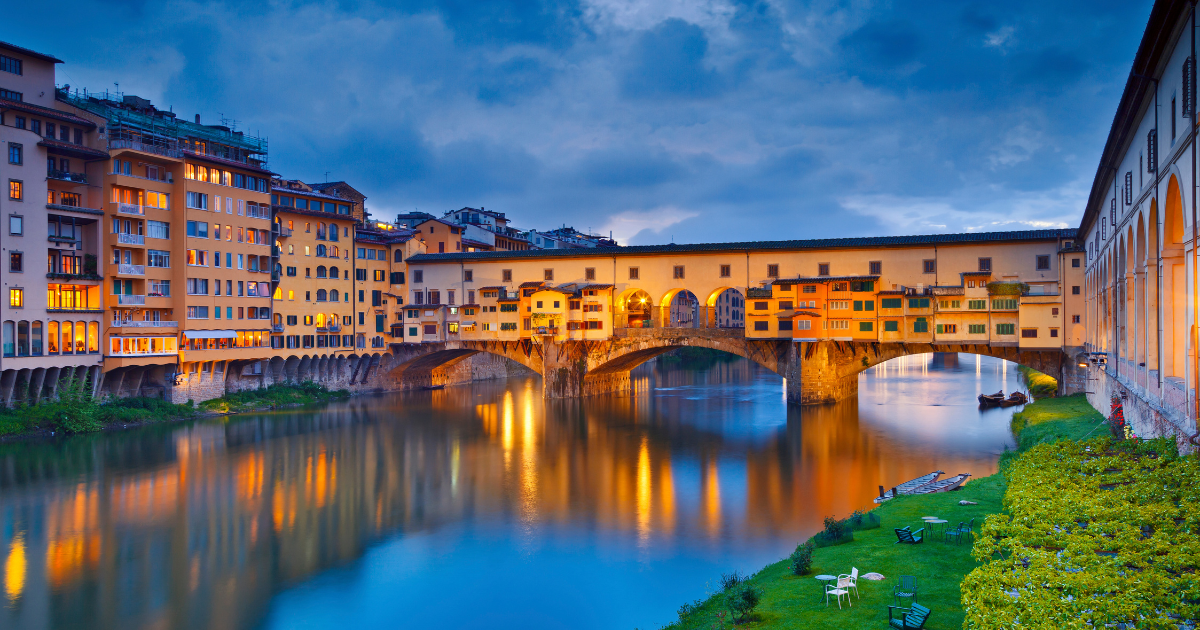
1815-1870
Risorgimento: Italy becomes a national project
Ideas of freedom, independence and unity mobilized intellectuals, republicans, monarchists, soldiers and local populations. Unification was the result of wars, diplomacy, revolts and popular action.
After Napoleon
The Congress of Vienna restores old powers and keeps the peninsula divided.
Revolutions and constitutions
Uprisings in different states express the desire for freedom and independence.
The Expedition of the Thousand
Garibaldi and his volunteers advance across the south, accelerating political union.
The Kingdom of Italy is born
Vittorio Emanuele II is proclaimed king on March 17.
Rome joins the Kingdom
The city becomes capital the following year and completes a decisive stage in unification.
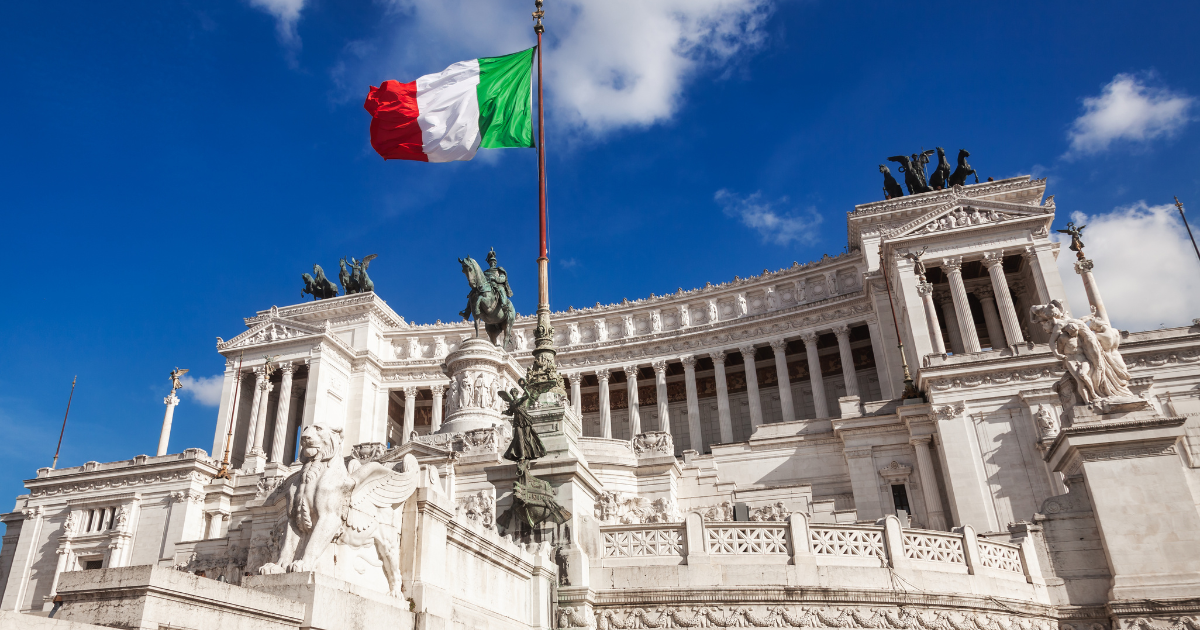
1861-1946
The Kingdom, emigration and the ruptures of the 20th century
The new Italy needed to bring together territories with different economies, regional languages and political experiences. Rural poverty, inequality and lack of opportunities drove enormous emigration.
- Large emigration: Millions of Italians left for the Americas, Europe and other regions.
- World Wars: the country went through mobilization, human losses and profound social transformations.
- Fascism: Mussolini's dictatorship suppressed freedoms and led Italy into war on the side of Nazi Germany.
- 1943-1945: fall of the regime, occupation, Resistance and liberation.
Since 1946
The Italian Republic
In the institutional referendum of June 2, 1946, the Italians chose the Republic. The Constitution was promulgated on December 27, 1947 and came into force on January 1, 1948, basing public life on democracy, work, rights and participation.
A story that crossed oceans
The diaspora is also part of Italy's history
The families that left took their surnames, work, recipes, devotions, regional languages and ways of living. Their children and grandchildren were not left out of this narrative: they became one of its continuities in the world.