Effective bond is not abstract
The concept of genuine link expresses a substantial relationship between the person and the political community. In the Italian case, this relationship cannot be separated from family history.

Culture, gatherings and memory
Events, tributes and traditions that keep communities connected to Italy, brought together in one place.
Belonging, affiliation and genuine link
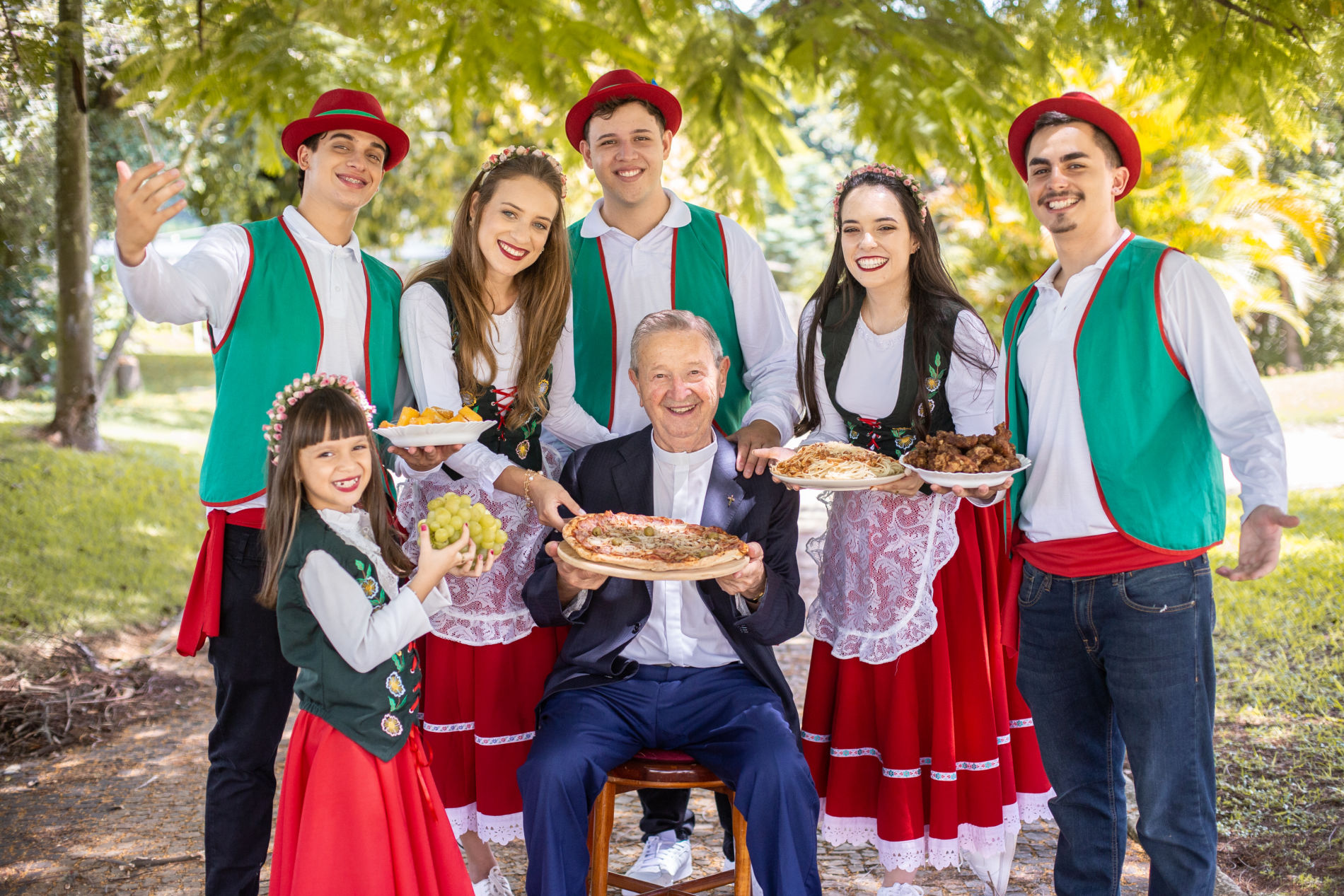
Italianity is the way in which Italy continues to live in the daily life of the diaspora: in the language that survived at home, in Sunday food, in surnames, in country festivals, in wine, in the family business and in the phrase that many have heard since they were children: we are Italians.
In light of the legal opinion on the genuine link, this bond should not be treated as an abstract idea or disconnected from the family. Filiation, historical memory and intergenerational continuity are concrete elements that link the Italian born abroad to the Italian national community.
Genuine link
For many diaspora families, Italianity begins before the certificate, before the consulate and before formal recognition. It appears in the stories of the nonnos, in the pride in our surname, in the way we cook, in the way we bring together the family and in the certainty transmitted within the home: our origins are Italian.
This cultural and emotional bond does not replace legal proof, but helps to reveal its constitutional and human dimension. O ius sanguinis legally recognizes a continuity that the family already carried in memory, in records and in the transmission of name, origin and belonging.
You are part of an Italian story that crossed the ocean and took root in Brazil.
Legal basis
The opinion maintains that the genuine link it needs to be interpreted in light of Italian constitutional principles that protect the family, filiation and continuity between generations.
In this reading, the family transmits elements that make the effective bond visible in the concrete life of the diaspora:
The concept of genuine link expresses a substantial relationship between the person and the political community. In the Italian case, this relationship cannot be separated from family history.
Documented descent allows you to demonstrate an objective, permanent and legally recognizable connection with the Italian family and the national community.
Language, customs, memory, surnames, festivals and family practices show that the legal bond also has social, historical and affective expression.
Informative and editorial content. The analysis of each case of Italian citizenship depends on documents, family line, applicable legislation and professional guidance.
Talian is one of the most vivid expressions of Italian immigration in Brazil. Formed from regional languages brought by immigrants, especially from Veneto, it was born in the colonies and survived in family speech, in kitchens, on farms, at parties, on community radios and in religious celebrations.
Recognized as a Brazilian Cultural Reference within the scope of the National Inventory of Linguistic Diversity, Talian represents identity, belonging and historical resistance.
The Italian language and regional languages, also called dialects, keep marks of origin. They carry words of affection, family expressions and memories that often cannot be translated.
Learning Italian today also means rebuilding a bridge with contemporary Italy without erasing the regional voices that arrived with immigrants.
The table is perhaps one of the strongest forms of Italianity: pasta, polenta, bread, wine, sauces, cheeses, salami, festive sweets and recipes that are passed down from generation to generation.
Eating together is also remembering together. In the diaspora, gastronomy became an emotional archive of the Italian family.
The family is the center of Italianity. It is there that the first stories about origin, surnames, the commune, the journey of ancestors and the pride of belonging to an Italian lineage appear.
When a child grows up hearing that their family is Italian, identity begins to be formed long before the documentary process.
How the link appears
The effective bond is not limited to an individual sensation. It manifests itself in elements that can be narrated, preserved and, when necessary, documented: certificates, surnames, municipal origin, oral memory, language, festivals, associations, religious practices, cuisine and family networks.
Interior, parties and wine
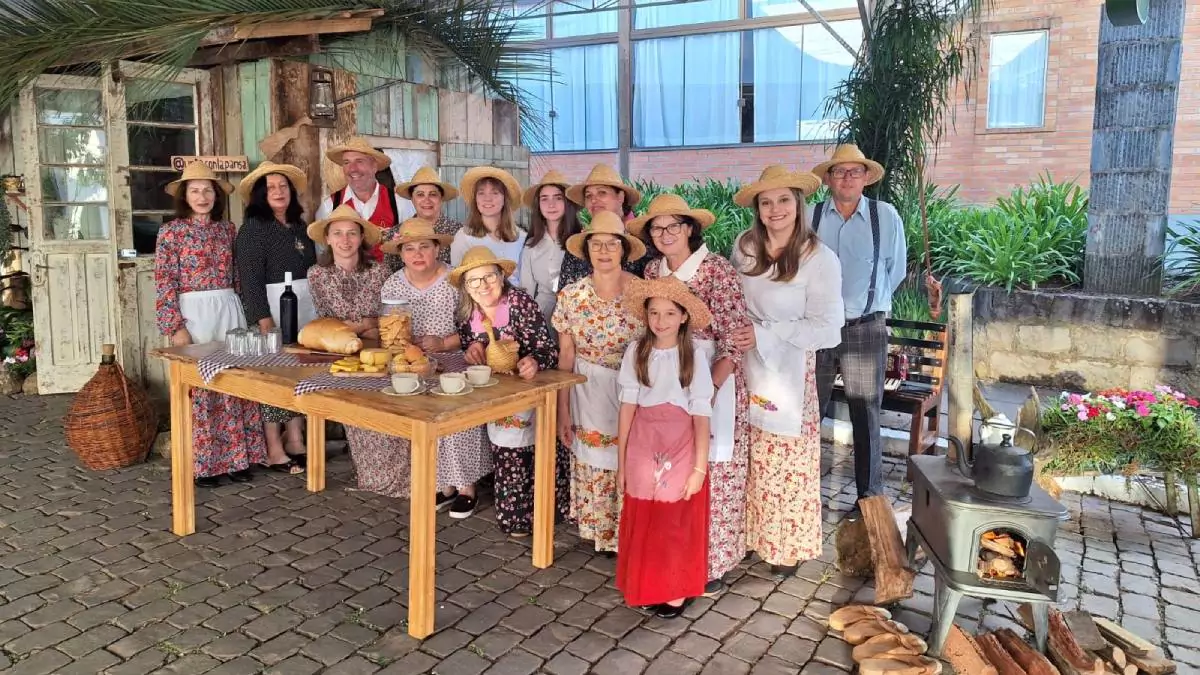
In the interior of Brazil, Italianity appears in colonial festivals, Italian weeks, choirs, typical dances, community lunches, wine production, religious celebrations and family gatherings.
These parties are not just tourist events. They are rituals of memory: entire cities publicly remember that Italy is part of their history, their economy, their architecture, their table and their human landscape.
Faith, music, work, parties, cooking, family life, care for the land and respect for ancestors form a cultural repertoire that still shapes diaspora communities.
Bakeries, canteens, wineries, restaurants, markets, factories and family businesses often preserve Italian names as a sign of origin, trust and legacy.
The surname is a small capsule of history. It indicates regions, families, jobs, journeys and memories that connect Brazil to the Italian communities of origin.
Living heritage
During the Estado Novo, immigration languages were repressed in public spaces. Still, Talian survived in the family environment, transmitted orally between parents, children, neighbors and communities.
Today, it remains a symbol of an Italy that was not stuck to the map: it crossed the ocean, met the Portuguese and created its own expression of Italian immigration in Brazil.
Events
Sangue Merito gathers festivals, meetings, grape harvest celebrations, gastronomy and initiatives that keep Italy alive in the daily life of the Brazilian diaspora.
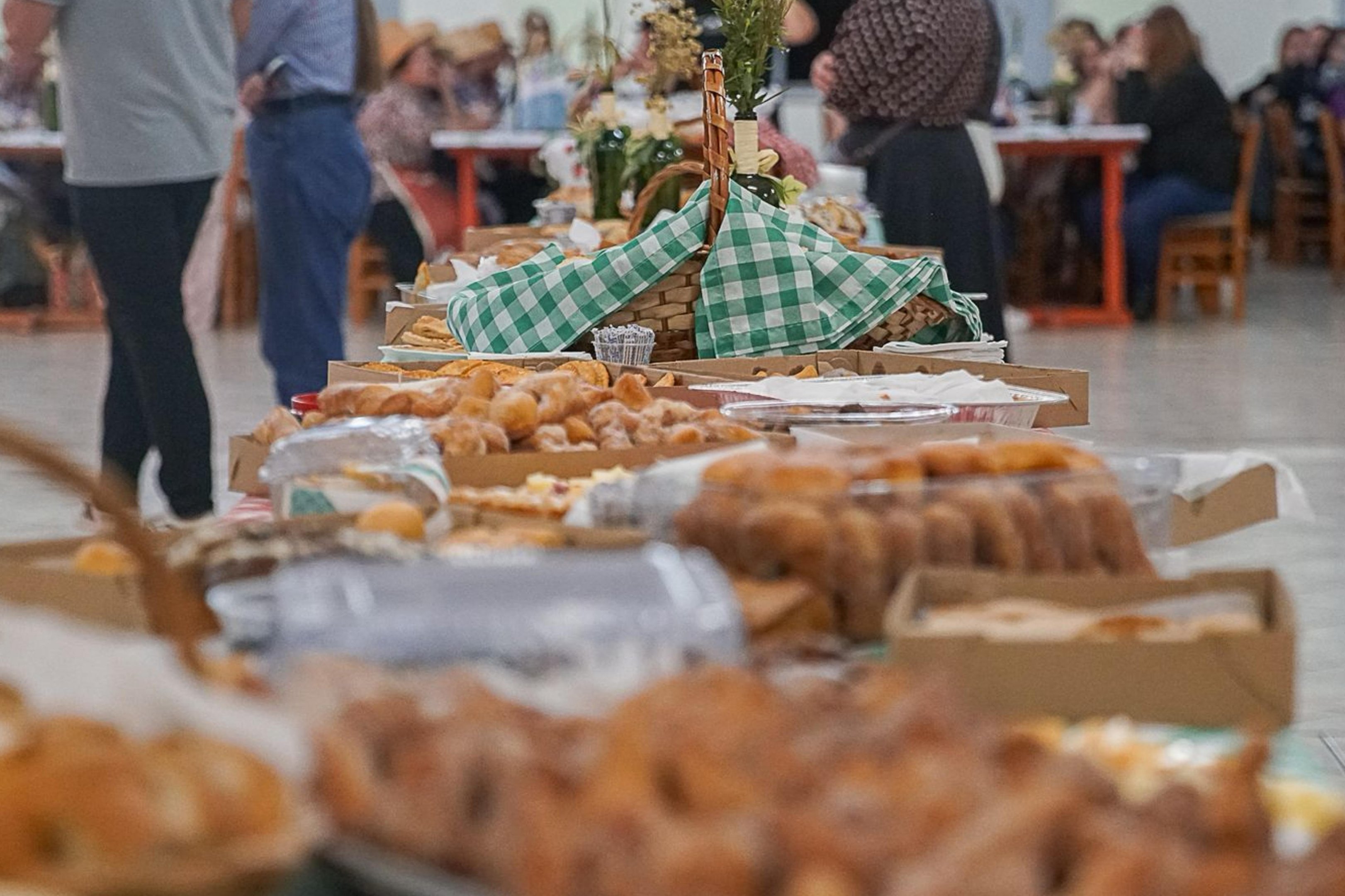
Meeting of Italian traditions held in Nova Milano, symbolic cradle of Italian immigration in Rio Grande do Sul.
View event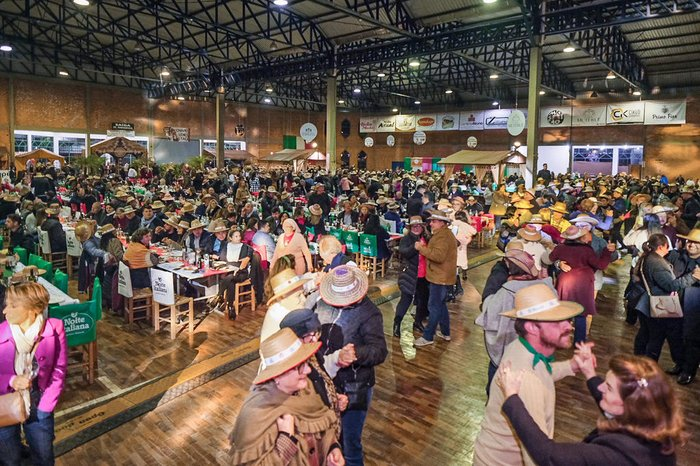
Cultural and gastronomic celebration that brings together music, dance, cuisine and the memory of Italian immigration in Antônio Prado.
View event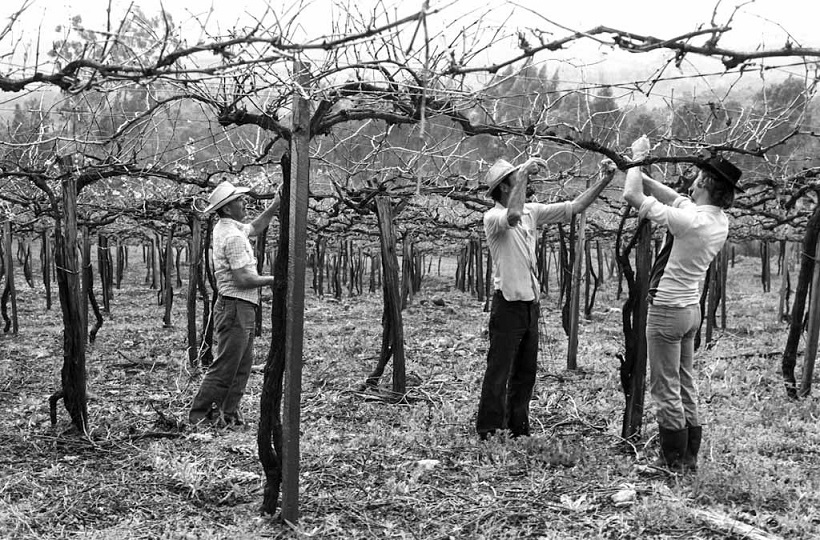
One of the greatest symbols of Italian immigration, grapes, wine and the community identity of Serra Gaúcha.
View event
Celebration of the grape harvest, wine and Italian heritage on the grape harvest paths.
View event
Gastronomic event dedicated to grostoli, a traditional sweet present in families of Italian origin.
View event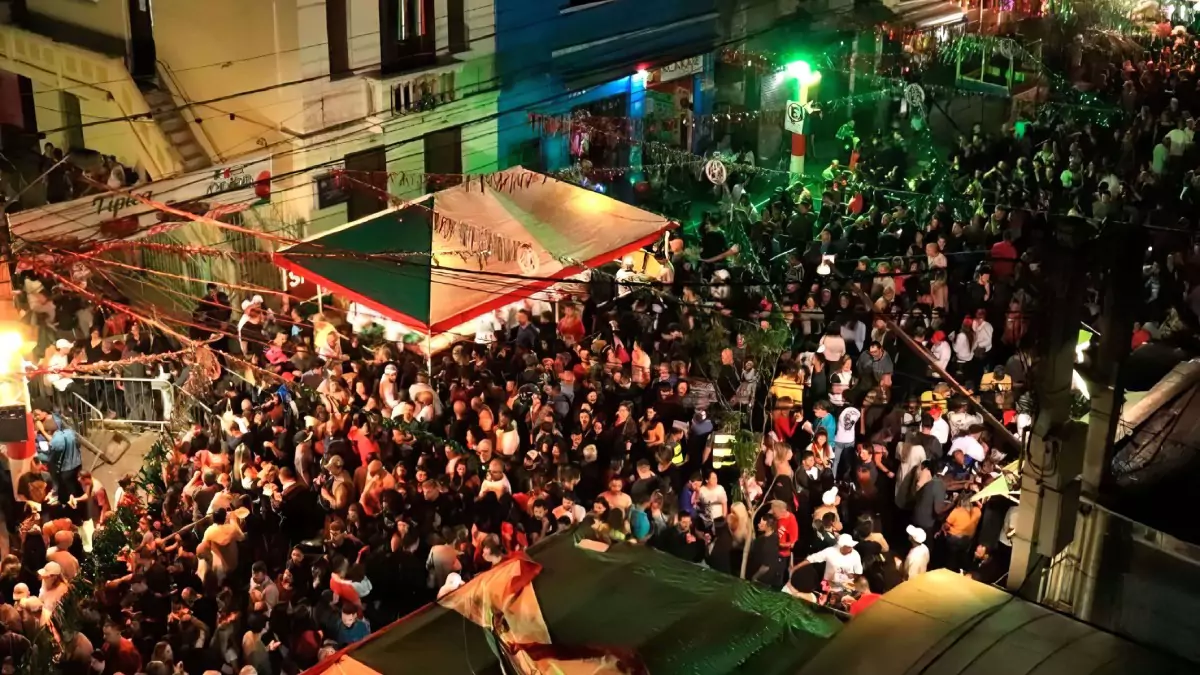
Urban festival linked to the Italian presence in Mooca, with gastronomy, devotion, music and community.
View event
Urban celebration of Italianity in the capital of Rio Grande do Sul, with gastronomy, music and community life.
View event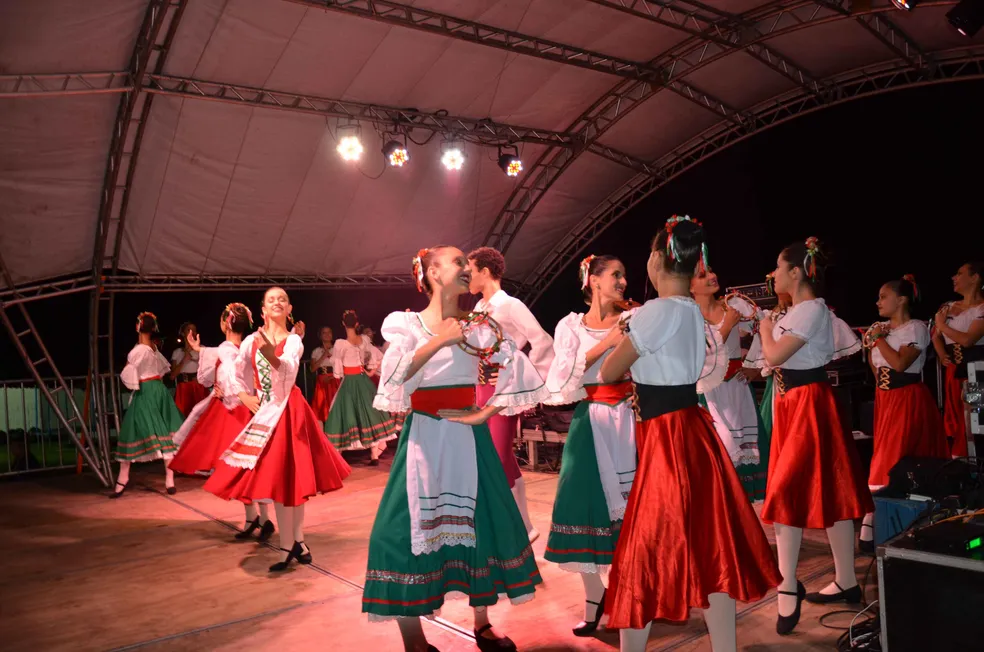
Santa Catarina festival that celebrates Italian gastronomy, culture and heritage in a city marked by Italian colonization.
View event
A festival in Espírito Santo that celebrates polenta and the customs of Italian families from the mountainous region of Espírito Santo.
View eventItaly present in Brazil
Monuments, festivals, neighborhoods, squares and traditions that transform the memory of immigration into a daily presence.
Affective heritage
This area brings together places where Italian culture was incorporated into the Brazilian landscape and community life. Each record tells how the city remembers its origins and how this memory continues to be transmitted.
The gemellaggio is an institutional link between cities. The tribute can come from a monument, a party, a neighborhood or the community itself. When both exist, the pages are connected.
Brazil
The Polenta Festival celebrates gastronomy, volunteering and the memory of Italian families in Espírito Santo.
Brazil
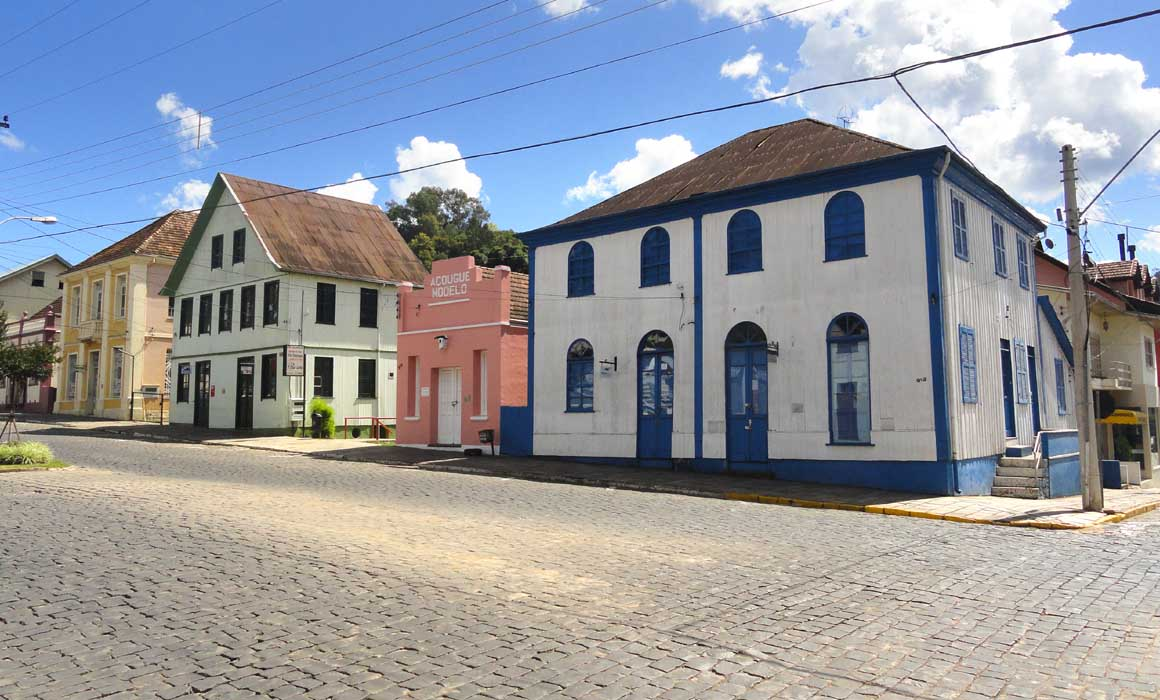
The architectural and urban complex listed by Iphan preserves one of the largest collections of Italian immigration in Brazil.
The Grape Festival, the neighborhoods, monuments and cultural institutions make Italian immigration a permanent presence in Caxias do Sul.
ENTRAI brings together culture, gastronomy, music and memory in a city deeply marked by Italian immigration.
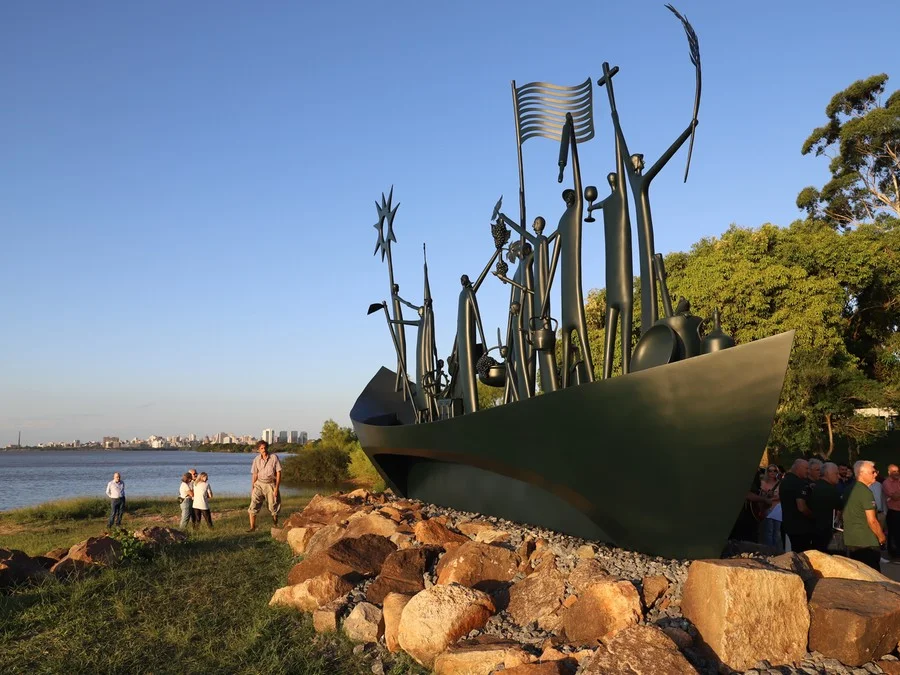
On Orla do Guaíba, a monument commemorates 150 years of Italian immigration to Rio Grande do Sul.
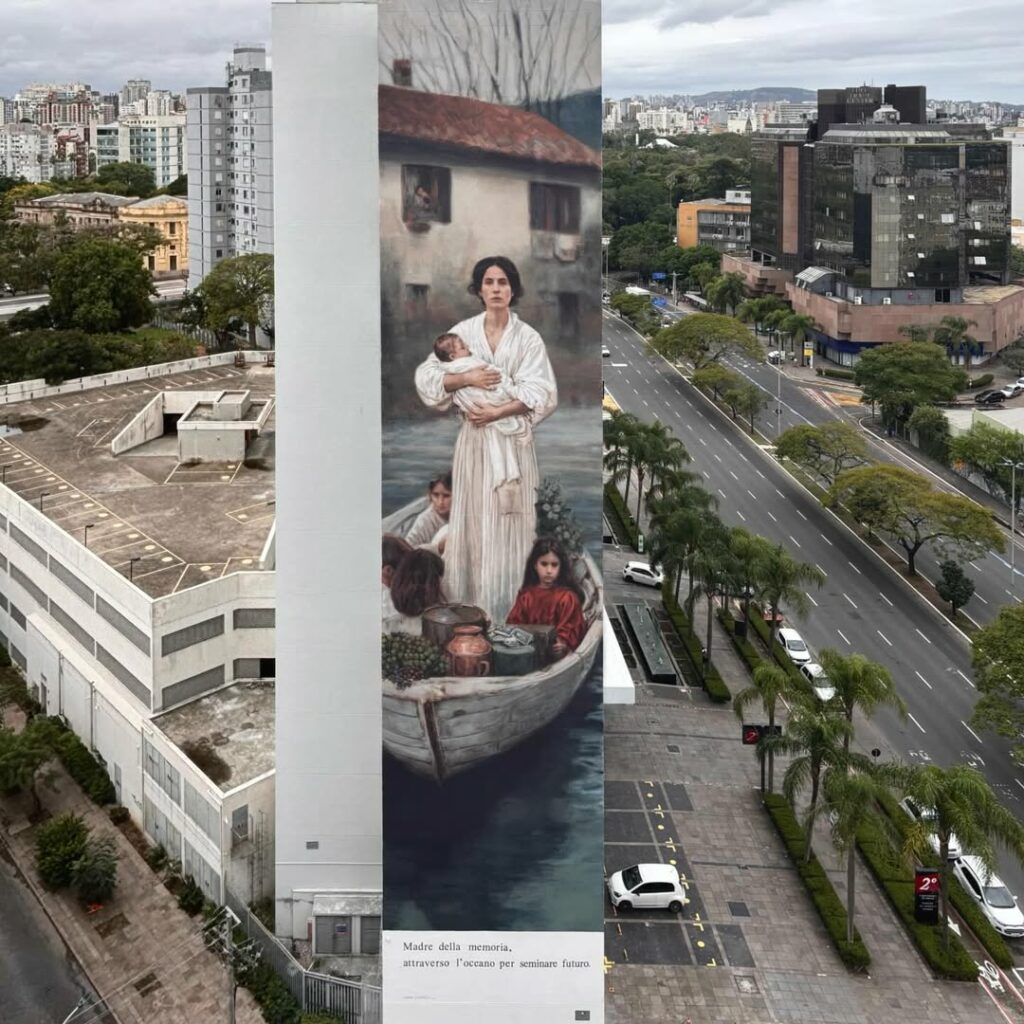
Measuring 45 meters high, the mural depicts a migrant woman and her children as a symbol of memory and continuity between generations.
Brazil
Architecture, parties, gastronomy and urban symbols make Italian heritage one of the central brands of Nova Veneza.
Brazil
Mooca preserves the memory of Italian immigration in São Paulo in speech, parties, business and neighborhood relations.