Lombardy • Veneto • Trentino
Lake Garda
The largest Italian lake brings together Sirmione, Riva del Garda, Limone, Malcesine, vineyards, olive trees and a landscape that changes between the Mediterranean environment and the mountains.

Landscapes, villages and memory
From the great pre-alpine lakes to the volcanic waters of Lazio, from the Dolomites to the water bodies of Sardegna, the lakes reveal a surprising Italian geography.
These are places of historic villages, gardens, boats, trails, fishing, agriculture and memory tourism. For those looking for their origins, the landscape also helps to understand the regional life of their ancestors.
A freshwater Italy
Not all Italian lakes were born the same. There are large glacial basins at the foot of the Alps, small high-altitude lakes, volcanic craters filled with water and coastal lakes separated from the sea by narrow strips of land.
Pre-alpine lake region
Concentrated between Lombardy, Piedmont, Veneto and Trentino-Alto Adige, they form one of the most recognized cultural and tourist landscapes in Italy.
The largest Italian lake brings together Sirmione, Riva del Garda, Limone, Malcesine, vineyards, olive trees and a landscape that changes between the Mediterranean environment and the mountains.
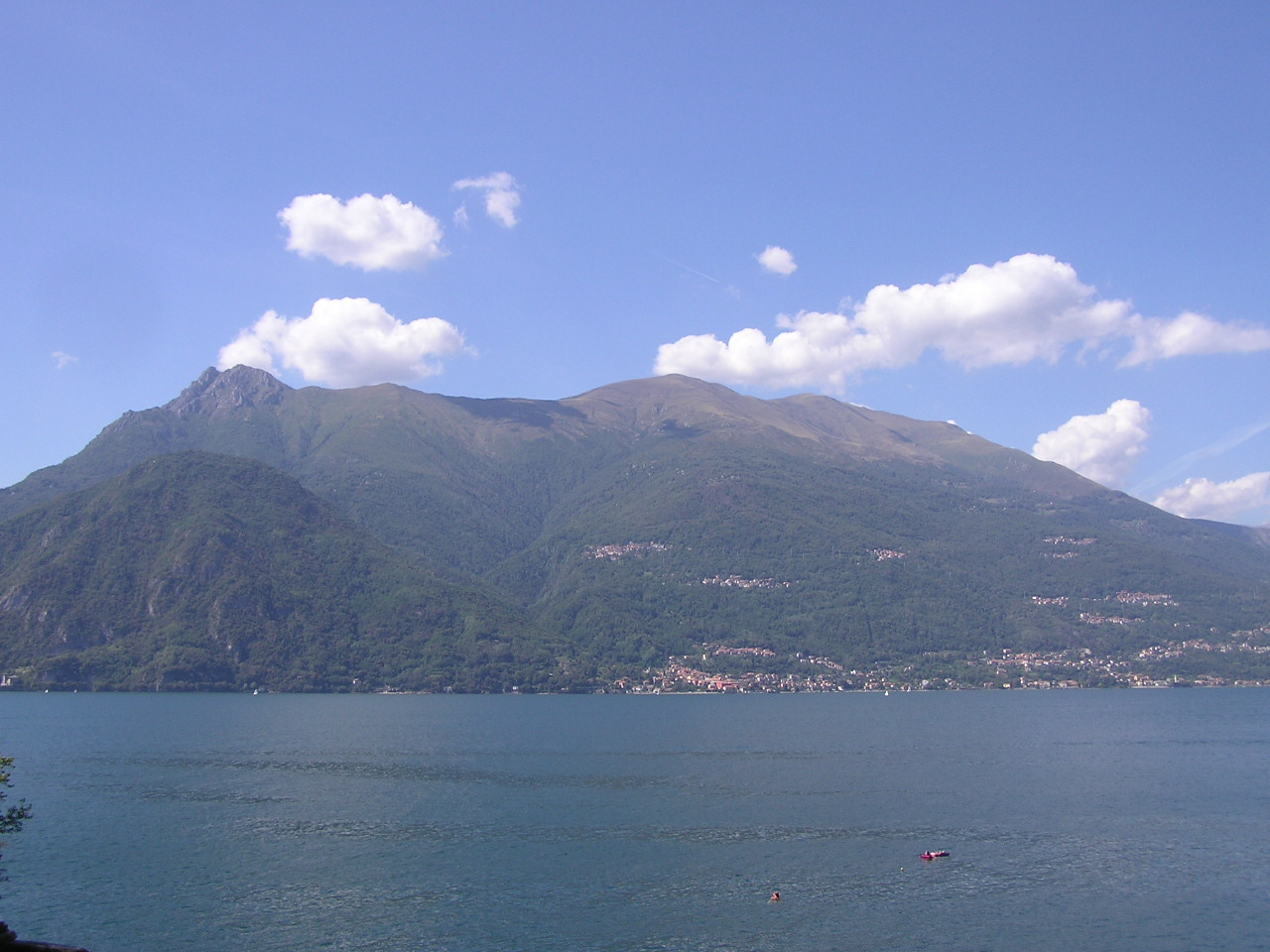
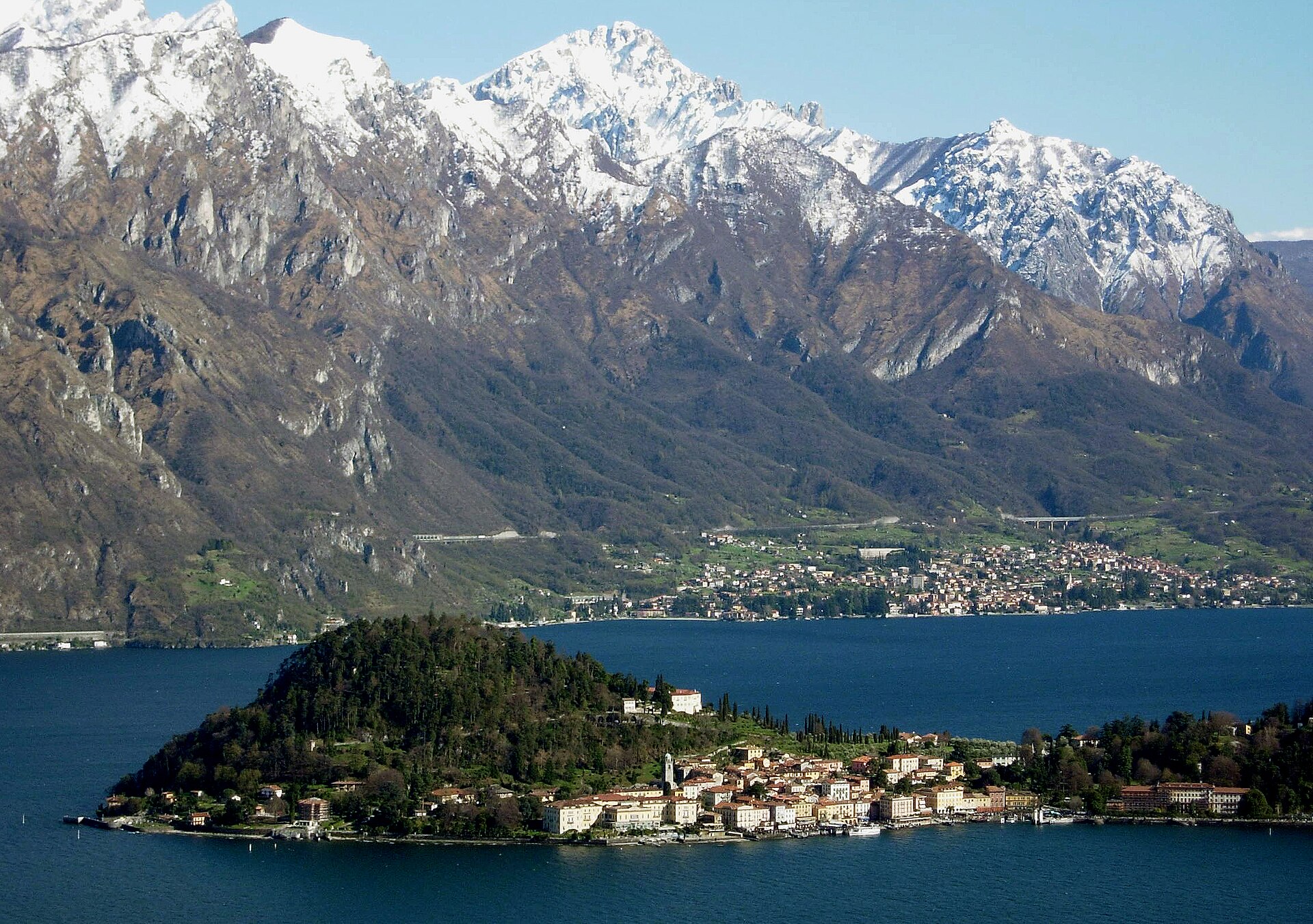
The third largest in Italy is shaped like an inverted Y and is surrounded by cities and towns such as Como, Lecco, Bellagio, Varenna, Menaggio and Tremezzo.
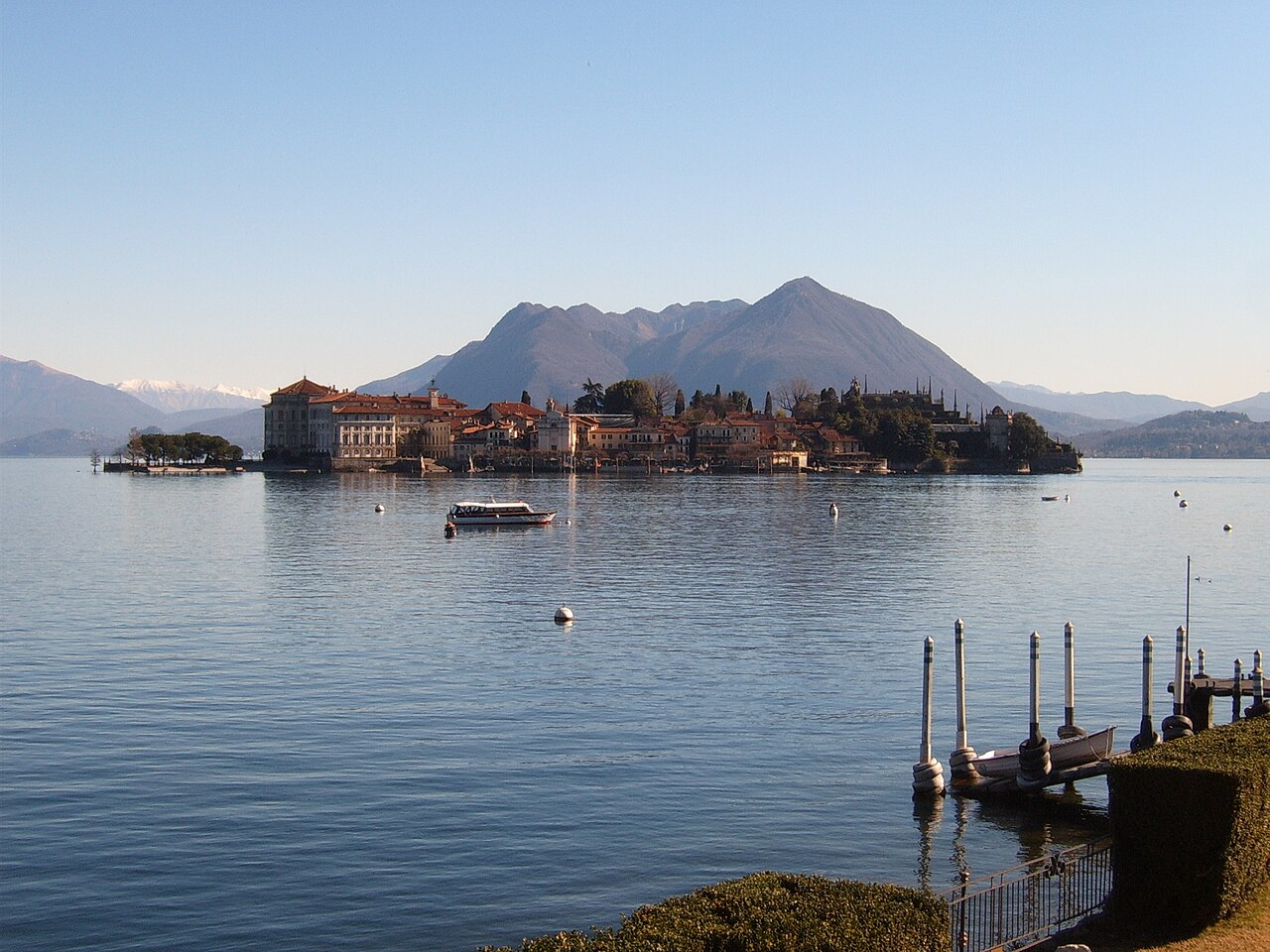
Italy's second largest lake straddles the Swiss border and is remembered for Stresa, the Borromean Islands and the gardens of Isola Bella.
Also called Sebino, it guards Monte Isola, the largest lake island in Italy, and connects to the wine-growing landscape of Franciacorta.
Smaller and more reserved, its symbols are Orta San Giulio and the small Isola di San Giulio.
An international lake between mountains, with an Italian part associated with Campione d'Italia and Porlezza.
Close to the city of Varese, it integrates a system of smaller lakes and natural areas in the pre-alpine belt.
A narrow alpine lake in the Chiese river valley, sought after for its mountainous scenery and outdoor activities.
Known for its clear waters and the remains of prehistoric stilt settlements.
Alpine and dolomite lakes
The scale is smaller, but the visual presence is intense. The color of the water changes with minerals, melting ice, light and the surrounding forests.
Veneto
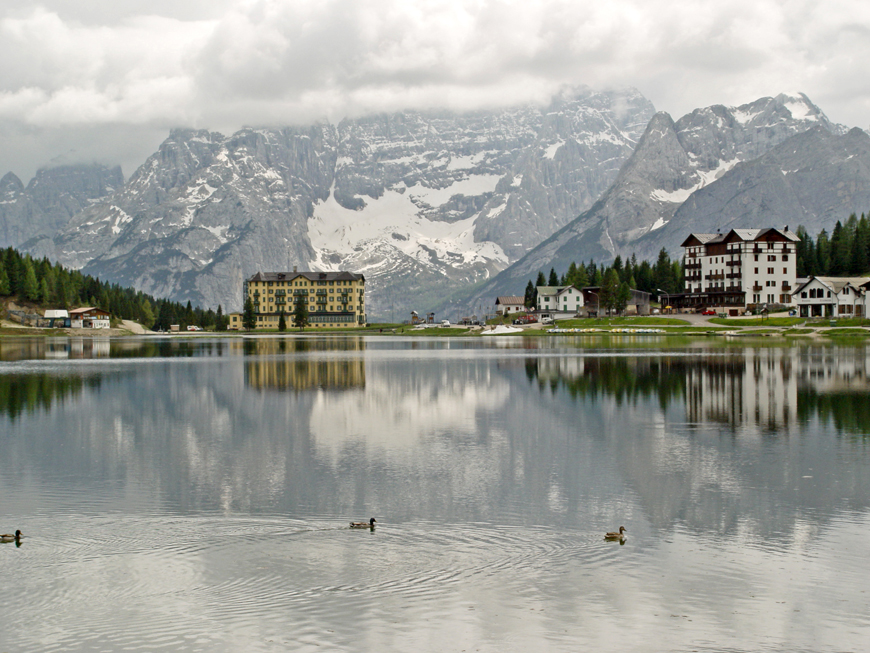
Located at around 1,750 meters above sea level, it is one of the classic settings of the Dolomites. The water reflects the mountain massifs, forests and alpine architecture of Misurina.
It is also a connection point for trails and routes in the Belluno Dolomites.
Green waters, wooden boats and the Croda del Becco have made it one of the most photographed lakes in Italy.
A small lake known for the colorful reflections of Latemar and the Ladin legends associated with its waters.
With a milky turquoise hue, it is located in the Ampezzo Dolomites and is reached by mountain trail.
In the Adamello Brenta Natural Park, it was historically known as the “red lake”.
A large alpine lake at the foot of the Dolomiti di Brenta, connected to the village of Molveno and nature activities.
Between the Tre Cime park and the Fanes-Senes-Braies park, it combines alpine landscapes and bird watching.
From the Apennines to the islands
Outside the alpine arc, the lake landscape appears in volcanic craters, Apennine valleys, coastal plains and large reservoirs.
Central Italy's largest lake is surrounded by hills, olive groves and towns like Castiglione del Lago and Passignano. Its islands are Polvese, Maggiore and Minore.
Formed in an ancient volcanic caldera, it is the largest volcanic lake in Europe and is home to the Bisentina and Martana islands.
Among the Apennines, it is the largest natural lake in Abruzzo. Seen from a specific point in the mountains, it takes on the well-known appearance of a heart.
Another volcanic lake near Rome, surrounded by Bracciano, Anguillara Sabazia and Trevignano Romano.
Gargano coastal lakes separated from the Adriatic by strips of dunes, pine trees and protected areas.
A large artificial reservoir in the center-west of the island, linked to Sardinian water and agricultural history.
Territorial index
This selection does not intend to deplete the country's more than 1,500 bodies of water. It serves as a starting point for locating natural, volcanic, alpine, coastal and artificial lakes.
Origins tourism
A certificate informs the community. The landscape helps to imagine the climate, paths, crops and life of the original communities. Visiting a lake in the region of our ancestors can transform a documentary search into an emotional recognition of the territory.
Knowing Italy also means recognizing the places that shaped their families.
Readings and references