
Presidency of the Council of Ministers
Prime Ministers of Italy
In Italy, the position is called President of the Council of Ministers. He is the one who directs the Government's general policy, coordinates the ministers and needs to maintain the trust of both houses of Parliament.
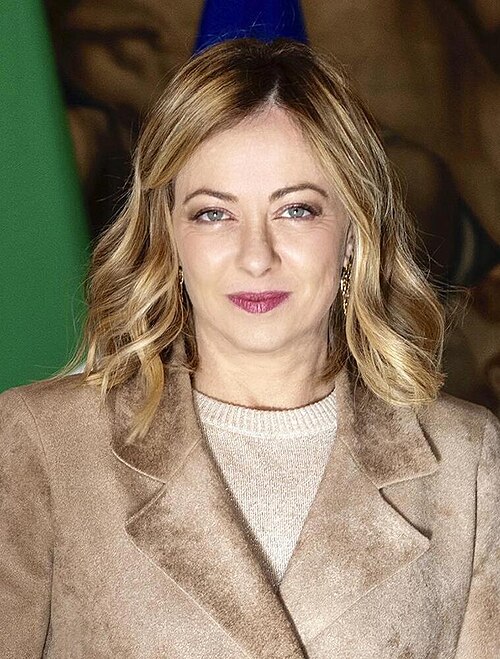
Parliamentary republic
Who governs and who represents the State?
The President of the Republic is the Head of State and guarantees constitutional continuity. The President of the Council leads the Government. He is appointed by the President of the Republic and, together with the ministers, must obtain the confidence of the Chamber of Deputies and the Senate.
1946–1963
Reconstruction and republican consolidation
The first governments rebuilt institutions, the economy and international relations after the war.
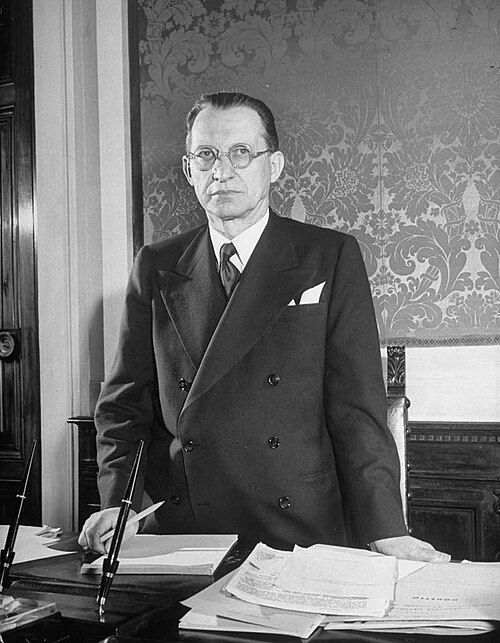
Alcide De Gasperi
Democratic reconstruction, Constituent and European insertion.
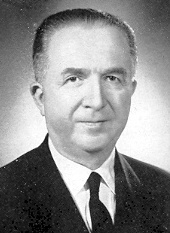
Giuseppe Pella
Transitional government after the long De Gasperi phase.
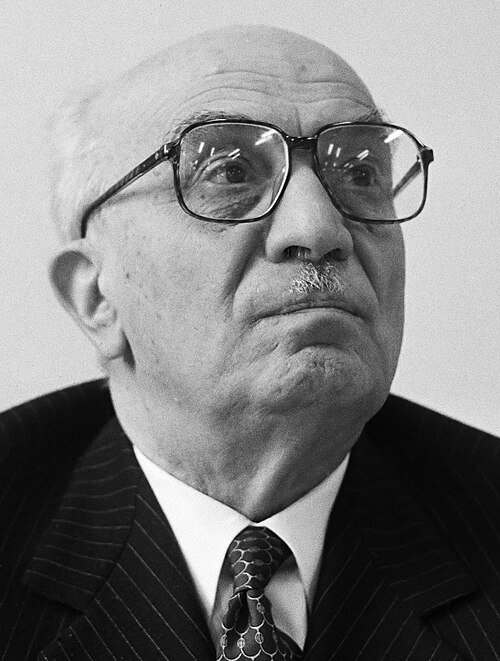
Amintore Fanfani
He headed six governments in different phases of the Republic.
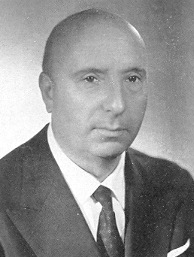
Mario Scelba
Led the government in post-war consolidation.
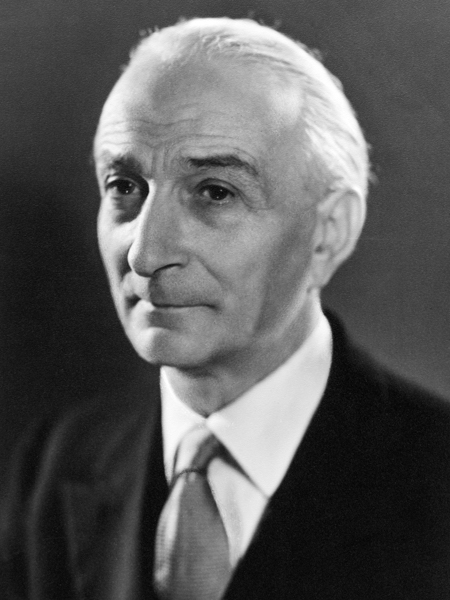
Antonio Segni
Sardinian jurist and politician, later President of the Republic.
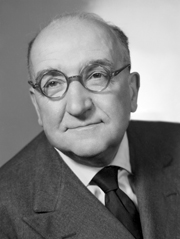
Adone Zoli
He led a parliamentary transition government.
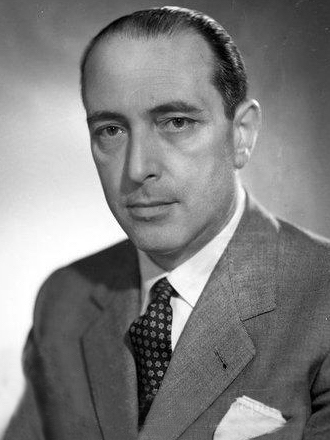
Fernando Tambroni
His brief government ended after strong political and social tension.
1963–1981
Center-left, reforms and years of crisis
Shifting coalitions have governed during social modernization, political conflicts, and terrorism.
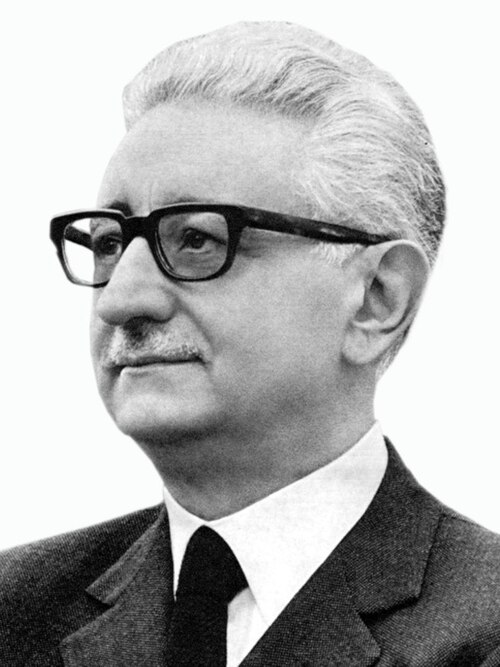
Giovanni Leone
A constitutionalist, he presided over two short-lived governments.
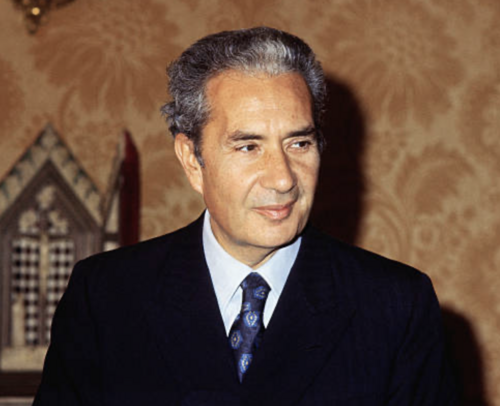
Aldo Moro
Central figure of the center-left and Italian political dialogue.
Mariano Rumor
He presided over five governments during years of intense transformation.
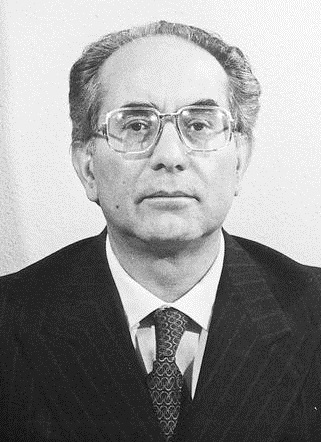
Emilio Colombo
A Europeanist, he governed in a phase of economic and social tension.
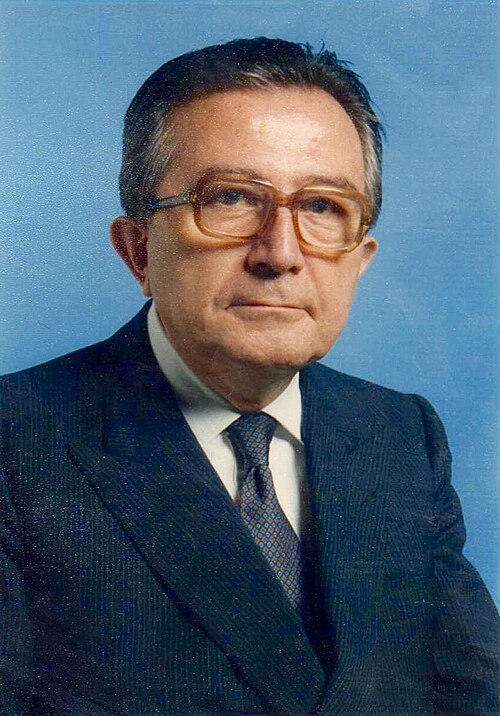
Giulio Andreotti
He headed seven governments and marked decades of republican political life.
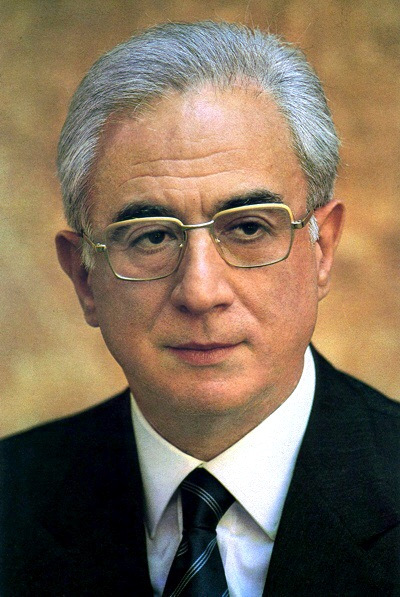
Francesco Cossiga
He led the government during the years of domestic terrorism.
Arnaldo Forlani
His government ended amid the P2 Masonic lodge crisis.
1981–1994
New coalitions and political transition
The leadership of the government was no longer exclusive to Christian Democrats and the party system underwent transformation.
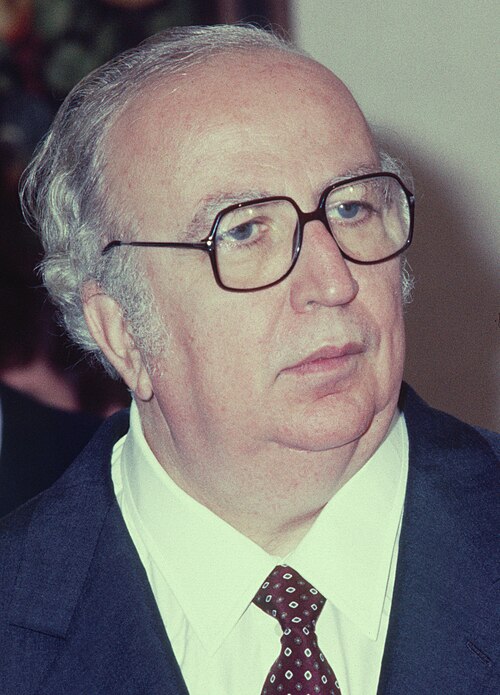
Giovanni Spadolini
First non-Christian Democratic republican head of government.
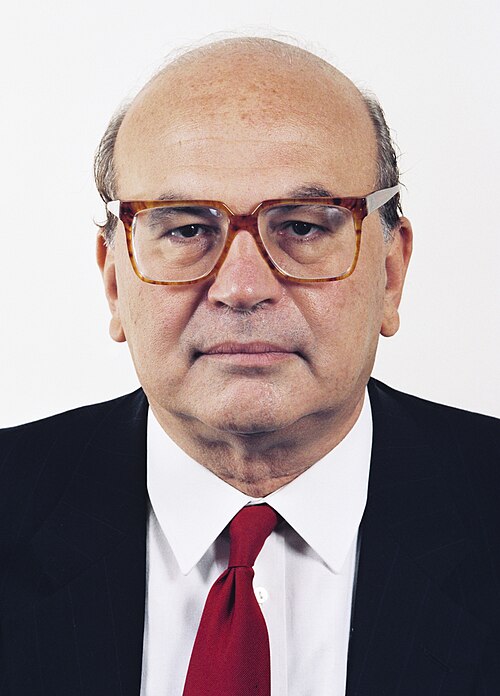
Bettino Craxi
First socialist in office and protagonist of the 1980s.
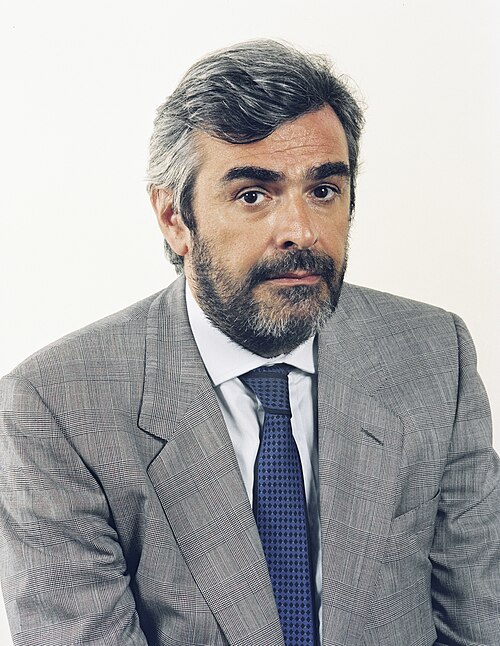
Giovanni Goria
At the time, he was the youngest head of government in the Republic.
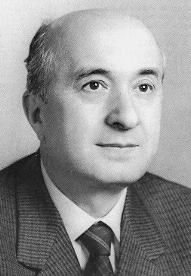
Ciriaco De Mita
He led the Executive at the end of the political system of the First Republic.
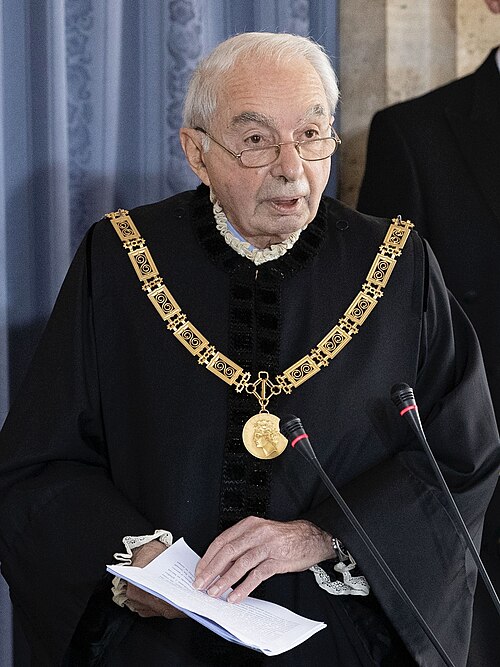
Giuliano Amato
He governed in two phases separated by profound political changes.
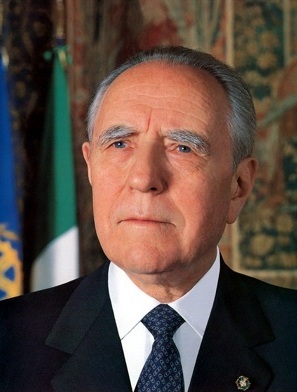
Carlo Azeglio Ciampi
He led a technical government during the transition of the 1990s.
Since 1994
Contemporary Italy
Alternation of coalitions, technical governments and new movements redesigned Italian politics.
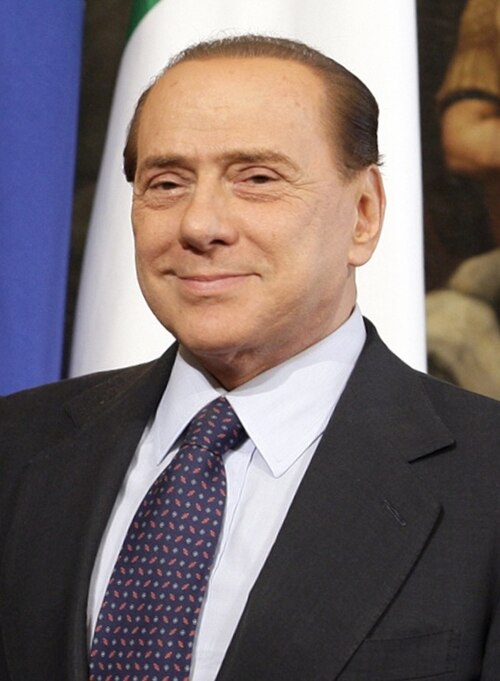
Silvio Berlusconi
He headed four governments and was the Republic's longest-serving premier.
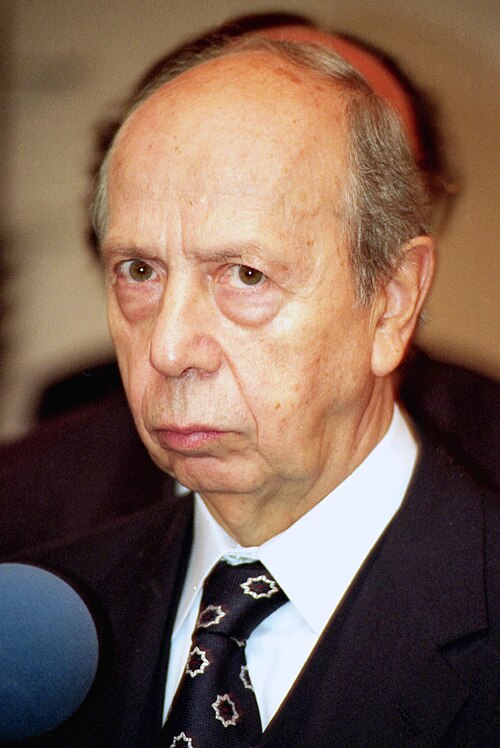
Lamberto Dini
He led a technical government after the fall of the first Berlusconi government.
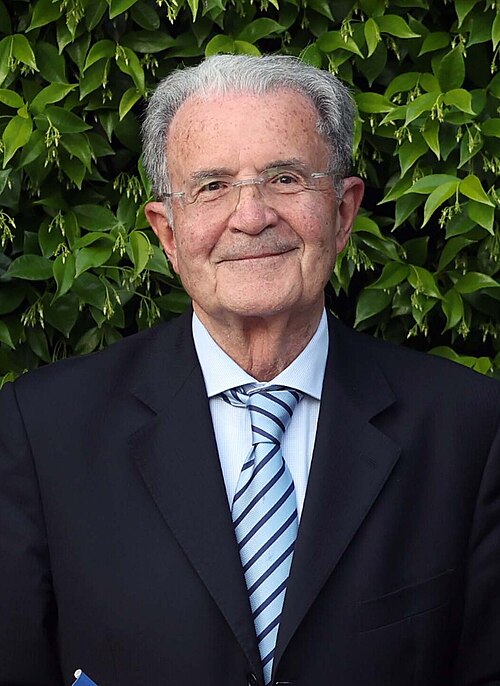
Romano Prodi
A Europeanist, he headed two center-left coalitions.
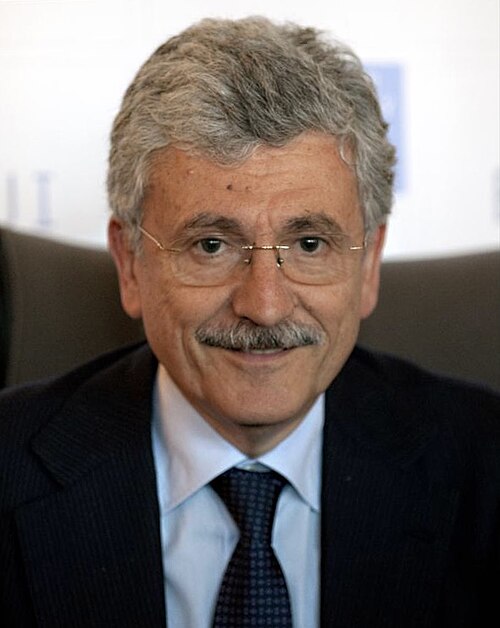
Massimo D'Alema
First former Communist Party leader to head the Italian government.
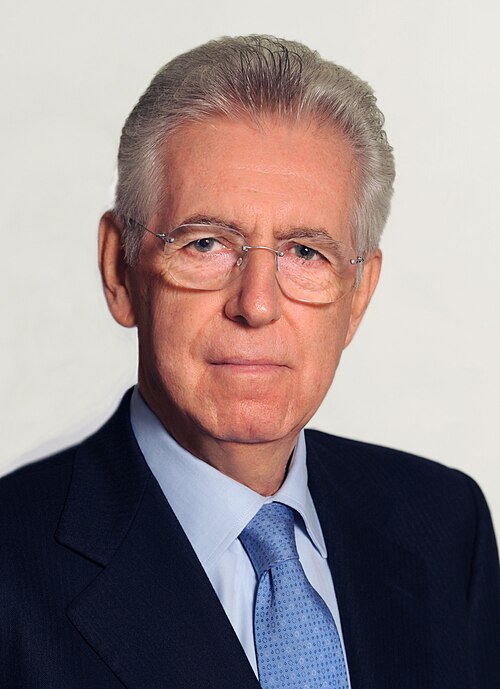
Mario Monti
Economist and lifelong senator, he led a technical government.
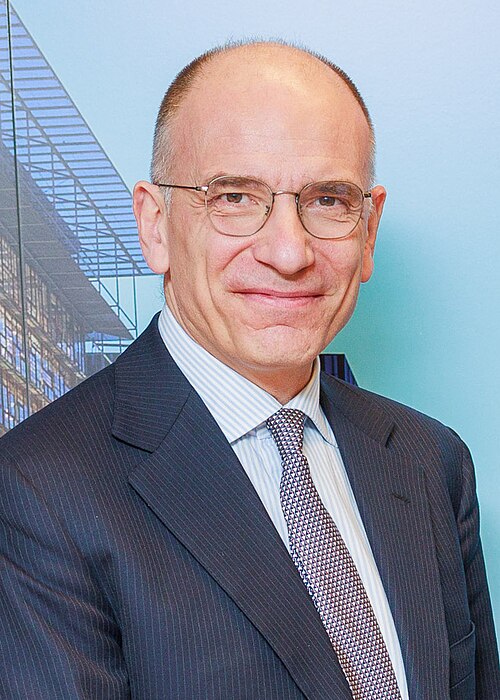
Enrico Letta
He formed a broad coalition government after elections without a clear majority.
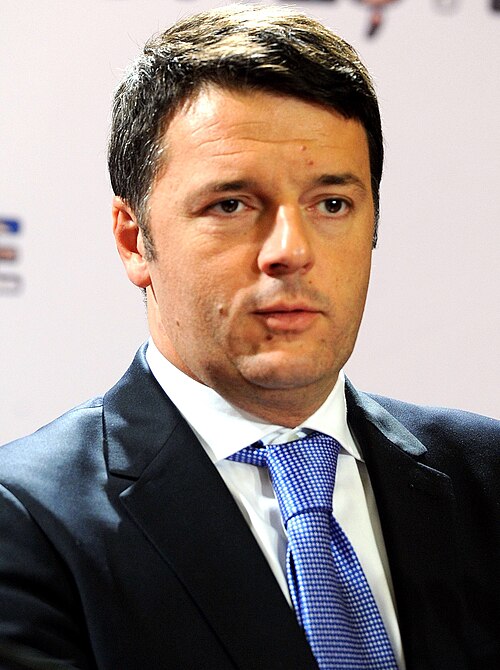
Matteo Renzi
He took office at the age of 39 and promoted an agenda of reforms.
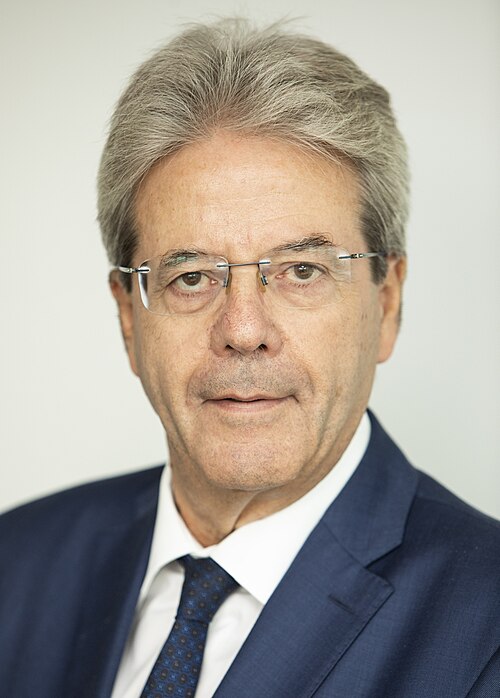
Paolo Gentiloni
He led the government until the 2018 parliamentary election.
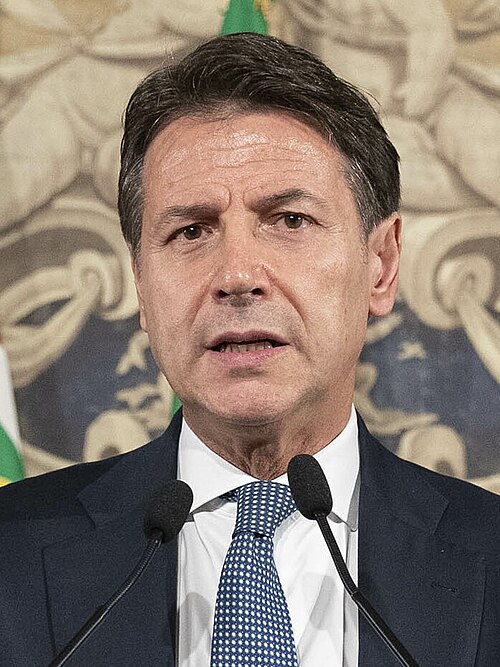
Giuseppe Conte
He headed two governments with different political coalitions.
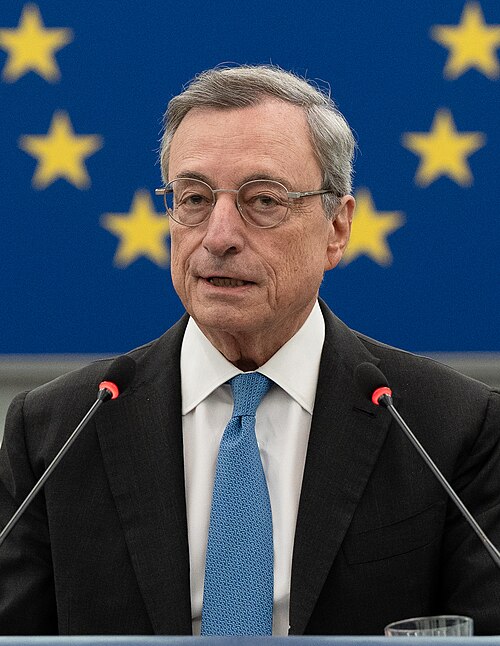
Mario Draghi
Former president of the ECB, he led a government of national unity.
In office
Giorgia Meloni
First woman to hold the Presidency of the Council of Ministers.
Government Formation
Appointment and parliamentary confidence
The President of the Republic appoints the President of the Council and, on his proposal, the ministers. After the oath, the new Government must present itself to both houses of Parliament to gain confidence.
Read the constitutional text