Return to Italy

1861–1946 • House of Savoia

The Kingdom of Italy

Eighty-five years between unification and the Republic: four kings, the construction of the national State, Rome as capital, wars, industrialization, fascism and the great Italian emigration.

4 kingsof the House of Savoia
17 Mar 1861proclamation of the Kingdom
2 June 1946institutional referendum
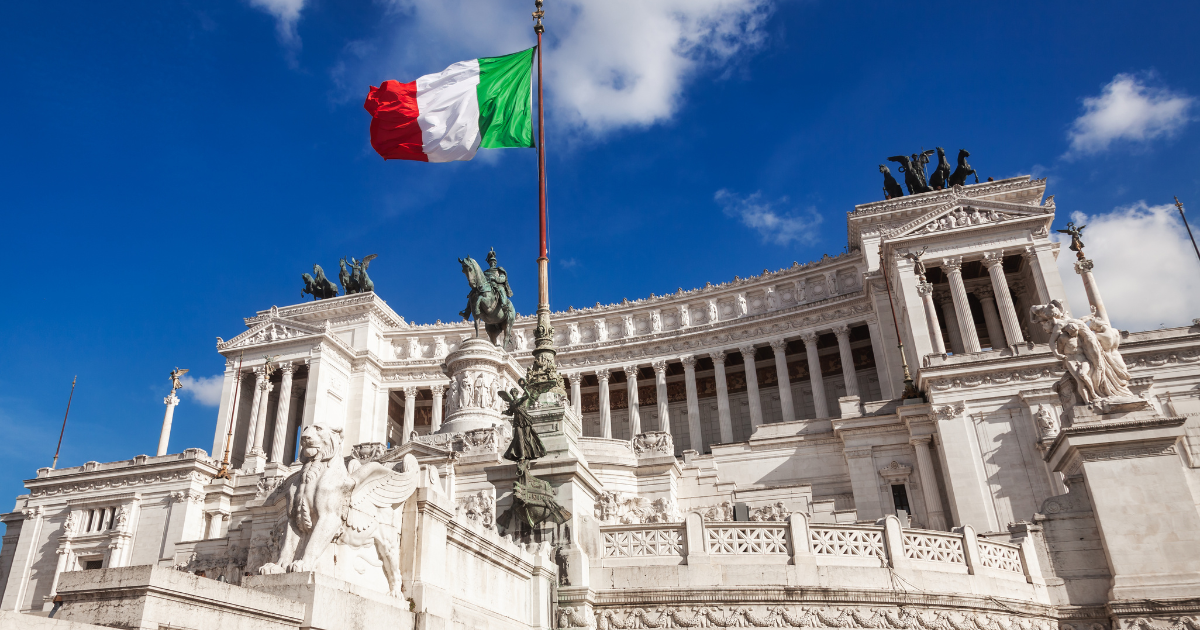
Monumento nacional a Vittorio Emanuele II em Roma
The Vittoriano, in Rome, was dedicated to Vittorio Emanuele II, first king of unified Italy.

Risorgimento

From the fragmented peninsula to the national state

On March 17, 1861, the Parliament meeting in Turin proclaimed Vittorio Emanuele II king of Italy. The new Kingdom was born from the political and military process of the Risorgimento, led by Piedmont-Sardegna and by figures such as Camillo Benso di Cavour, Giuseppe Garibaldi and Giuseppe Mazzini.

Unification was not yet complete. Veneto was incorporated in 1866; Rome entered the Kingdom in 1870 and became capital the following year.

“Per grazia di Dio e per volontà della Nazione Re d'Italia.”Formula used by the monarchy to unite dynastic tradition and national will.

Savoyard dynasty

The four kings of Italy

Each reign corresponds to a distinct stage in Italian history: unification, consolidation, crisis of the liberal State, dictatorship, war and republican transition.

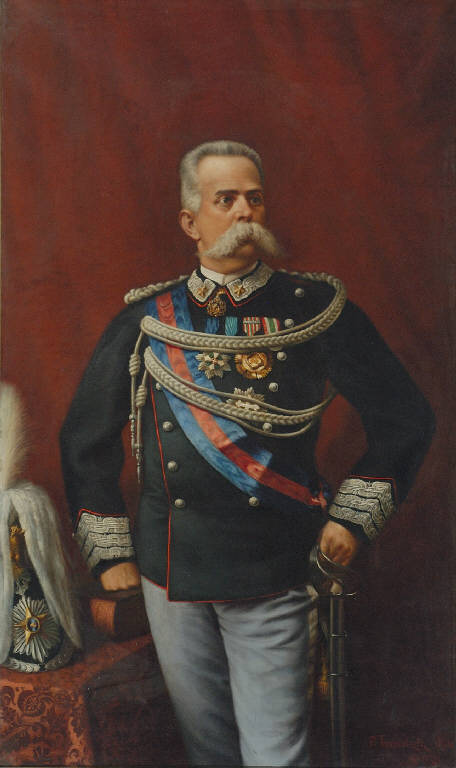
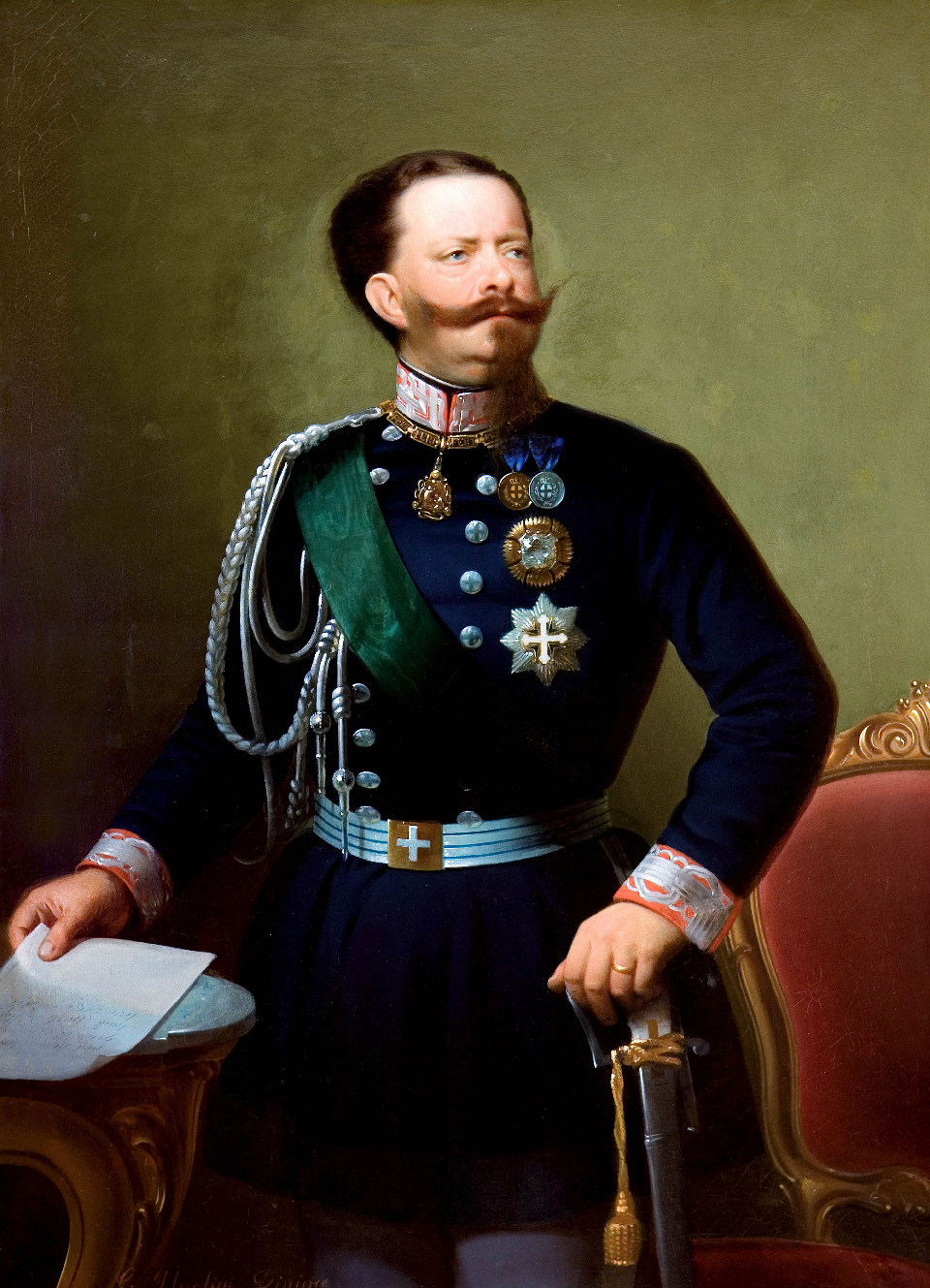
Retrato de Vittorio Emanuele II
Giuseppe Ugolini, Museo del Tricolore — CC BY-SA 4.0.
I

1861–1878

Vittorio Emanuele II

The first king of unified Italy

He was already king of Sardegna when he assumed the Italian Crown. During his reign, the new State incorporated Veneto and Rome, completed the decisive territorial stage of unification and transferred the capital from Turin to Florence and then to Rome.

  • Proclamation of the Kingdom in 1861
  • Incorporation of Veneto in 1866
  • Rome becomes capital in 1871
See the origin of the portrait ↗
Retrato de Umberto I
Pietro Tremolada, c. 1894 — public domain.
II

1878–1900

Umberto I

Consolidation, expansion and social conflict

His reign accompanied uneven industrialization, colonial expansion and strong social tensions. Italy entered the Triple Alliance in 1882. Umberto I was assassinated in Monza in 1900 by the anarchist Gaetano Bresci.

  • Triple Alliance in 1882
  • Colonial expansion in the Horn of Africa
  • Large emigration gains intensity
See the origin of the portrait ↗
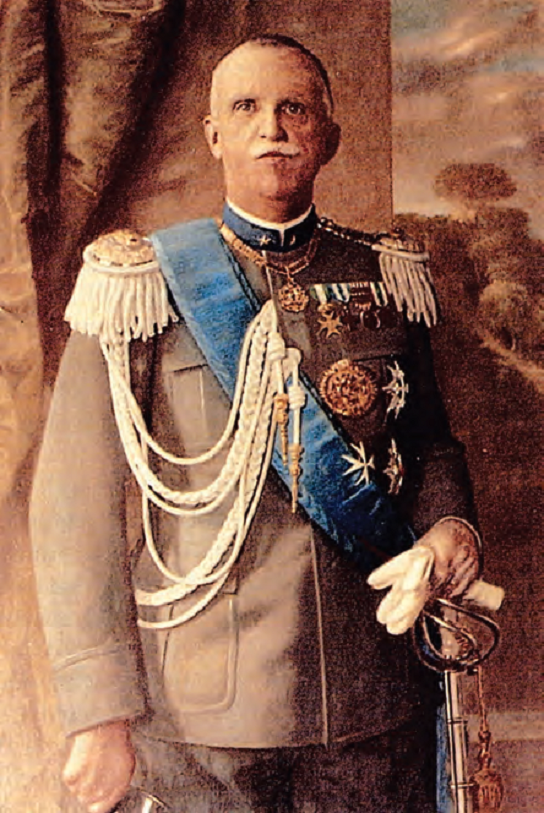
Retrato de Vittorio Emanuele III
Official portrait, c. 1930 — public domain.
III

1900–1946

Vittorio Emanuele III

World wars, fascism and collapse of the monarchy

The longest reign spanned the Giolitti era, the Libyan War, the First World War and fascism. In 1922, the king commissioned Benito Mussolini to form a government. The Crown remained during the dictatorship, the racial laws of 1938 and the entry into World War II.

  • World War I, 1915–1918
  • Mussolini's appointment in 1922
  • Armistice and state crisis in 1943
See the origin of the portrait ↗
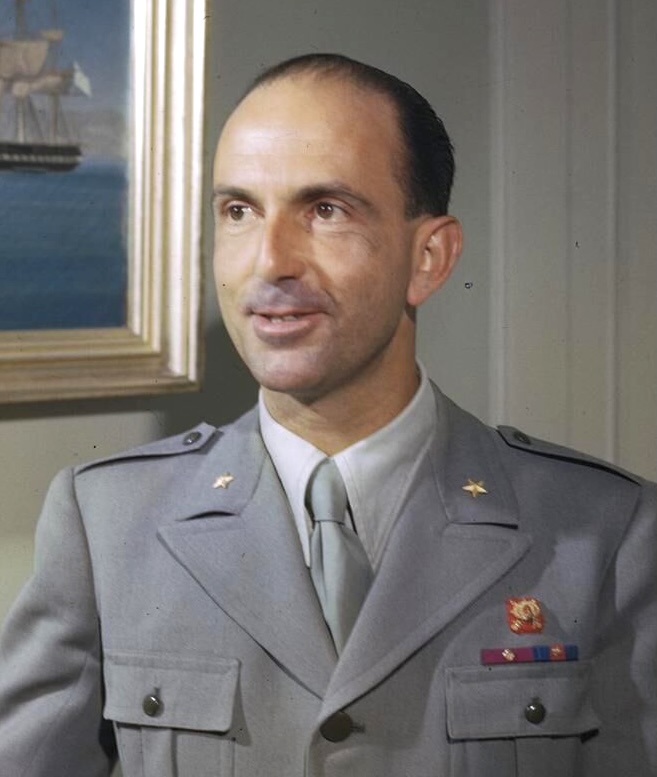
Retrato de Umberto II em 1944
War Office, 1944 photograph — public domain.
IV

May–June 1946

Umberto II

The “May King” and the end of the dynasty

Vittorio Emanuele III abdicated just weeks before the institutional referendum. Umberto II reigned for just over a month and left Italy after the Republican victory, ending the House of Savoy's presence on the throne.

  • Lieutenant General of the Kingdom since 1944
  • Referendum of June 2, 1946
  • Departure into exile in Portugal
See the origin of the portrait ↗

85 years on the move

Historical line of the Kingdom

The Kingdom was not a uniform period. The parliamentary monarchy of the Statuto Albertino underwent a profound transformation until it disappeared after the war and fascism.

Proclamation

The Kingdom of Italy is born, with its capital in Turin.

Veneto

The region is incorporated after the Third War of Independence.

Rome

Rome is incorporated and becomes the capital of the Kingdom.

Triple Alliance

Italy allies with the German and Austro-Hungarian empires.

Libyan War

Italian colonial expansion advances in North Africa.

First War

Italy fought on the side of the Entente and expanded its territory at the end of the conflict.

March on Rome

Mussolini receives the task of forming a government from the king.

Racial laws

The fascist regime enforces anti-Semitic legislation signed under the monarchy.

Fall of Mussolini

The king dismisses Mussolini; the armistice triggers occupation, civil war and territorial division.

Republic

The institutional referendum ends the Kingdom and inaugurates the Italian Republic.

The Kingdom that left through the ports

The monarchy coincides with the great diaspora

It was during the Kingdom that millions of Italians left the peninsula. Between 1876 and 1915, more than 14 million matches were recorded. Families left from Veneto, Lombardy, Piedmont, Trentino, Friuli, Campania, Calabria, Sicily and many other regions.

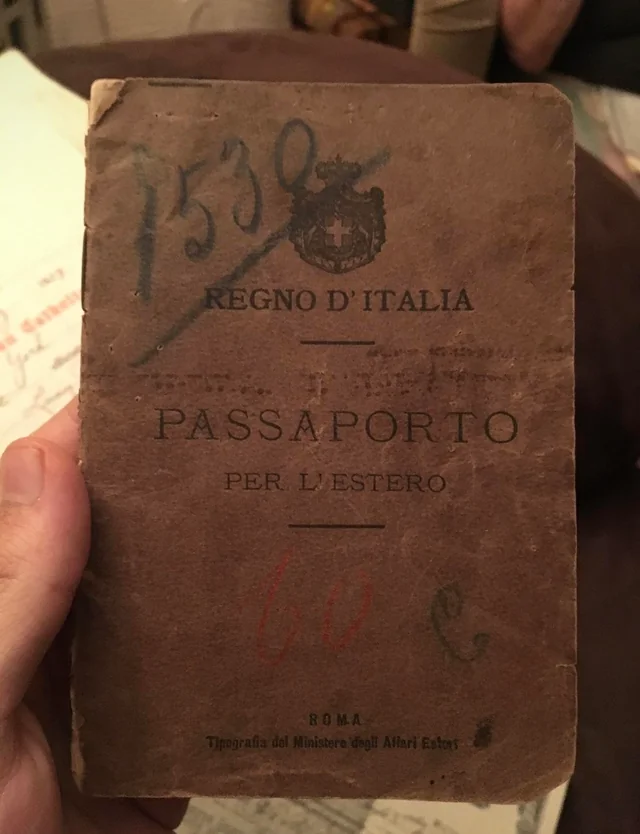
Passports bore the royal coat of arms, but families carried much older regional identities. In Brazil, this period corresponds to the formation of colonies, neighborhoods, associations, churches and communities that still preserve Italianity.

Discover Italian immigration around the world
Passaporte histórico do Reino da Itália
Passport from the monarchical period: documents from the Kingdom accompanied millions of Italians on their journeys.
2June
1946

Institutional referendum

From monarchy to Republic

After the fascist dictatorship and the Second World War, Italians voted between monarchy and republic. The Republican option won. On June 18, 1946, the Court of Cassation definitively confirmed the result.

The Republican Constitution came into force on January 1, 1948. Italy began to define its political unity by democratic institutions, maintaining the advances, conflicts and responsibilities of the monarchical period as part of its history.

Continue to the Italian Republic
Historical portraits

Images sourced from Wikimedia Commons, with license indicated on each portrait. Historical content organized for informational and educational purposes.

Consult the collection on Wikimedia Commons ↗