
Since June 2, 1946
Italian Republic
The Republic was born from the choice made by Italians in the 1946 institutional referendum. The Constitution, in force since January 1, 1948, established a parliamentary democracy based on work, rights and participation.
From monarchy to Republic
A new constitutional order
After the fall of fascism, war and the Resistance, the referendum of June 2, 1946 decided the institutional form of the State. In the same electoral process, the Constituent Assembly was chosen.
Enrico De Nicola became provisional Head of State and, with the entry into force of the Constitution, assumed the title of first President of the Italian Republic.
Balance of powers
How the Republic works
The Constitution distributes powers and creates guarantees so that no institution concentrates State power alone.
President of the Republic
He is the Head of State and represents national unity. It enacts laws, appoints the President of the Council and exercises constitutional guarantee functions.
Parliament
Formed by the Chamber of Deputies and the Senate of the Republic, it exercises legislative functions and politically supports the Government.
Government
It is made up of the President of the Council and the ministers. It conducts executive policy and must maintain parliamentary confidence.
Constitutional Court
Verifies the compatibility of laws with the Constitution and protects the constitutional balance of the system.
1948 to today
The Presidents of the Italian Republic
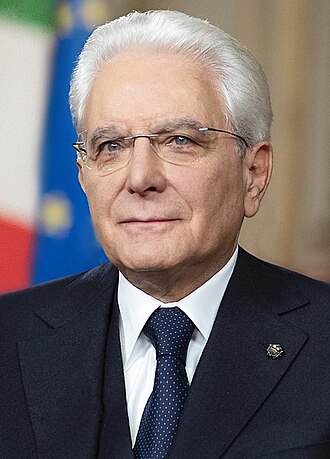
Twelve presidents accompanied the reconstruction, economic development, political crises, European integration and social transformations of republican Italy.

Enrico De Nicola

Luigi Einaudi

Giovanni Gronchi

Antonio Segni

Giuseppe Saragat

Giovanni Leone

Sandro Pertini

Francesco Cossiga

Oscar Luigi Scalfaro

Carlo Azeglio Ciampi

Giorgio Napolitano

Sergio Mattarella
1948
The basis of public life
The Constitution of the Republic
The Constitution was promulgated on December 27, 1947 and came into force on January 1, 1948. Its first article declares that Italy is a democratic Republic founded on work.
Consult the Constitution