Rome according to tradition
The traditional date of its foundation marks the beginning of the trajectory of a Latin city that would transform the peninsula and the Mediterranean.

History, institutions and national memory
Knowing Italy means understanding the country that exists behind the documents: its historical formation, its kingdoms, its unification, its republican institutions, its regions, its public figures and its cultural influence in the world.
Start here
History, territory, politics, culture, faith, sport and diaspora appear together because Italianity is not born just from a document. It comes from places, names, memories, regions and institutions.
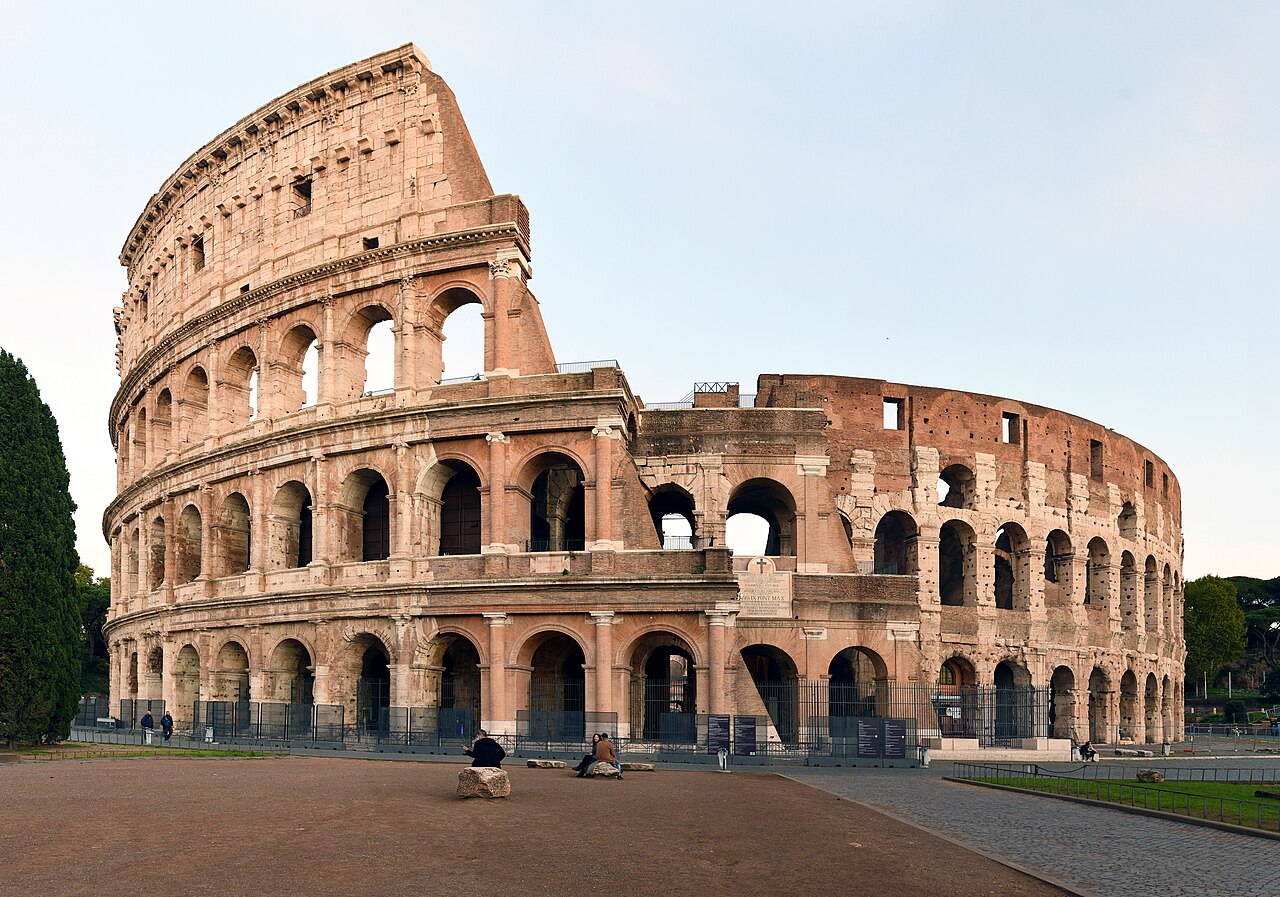 Antiquity
Ancient Rome and the people of the peninsula
From pre-Roman peoples to the Republic and the Empire that took Rome to three continents.
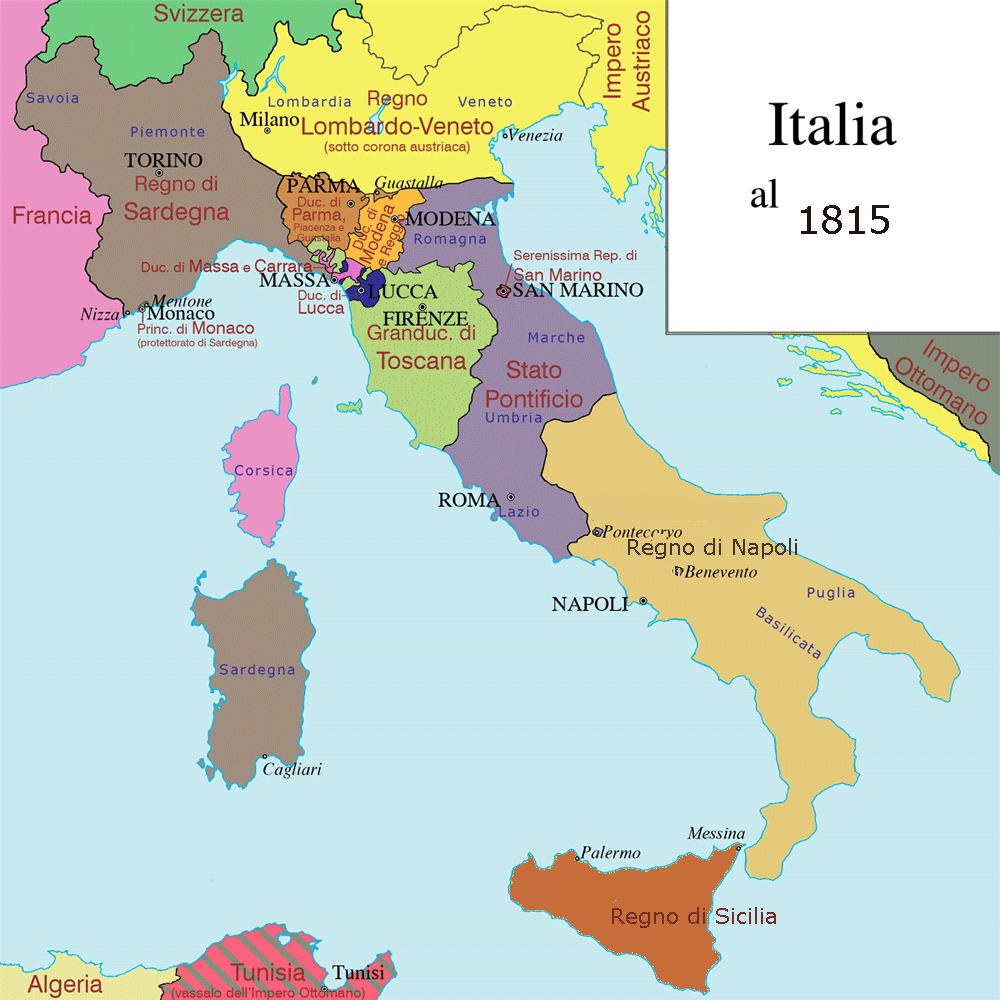 Before 1861
Kingdoms before unified Italy
Kingdoms, duchies, Papal States and territories that divided the peninsula before the Risorgimento.
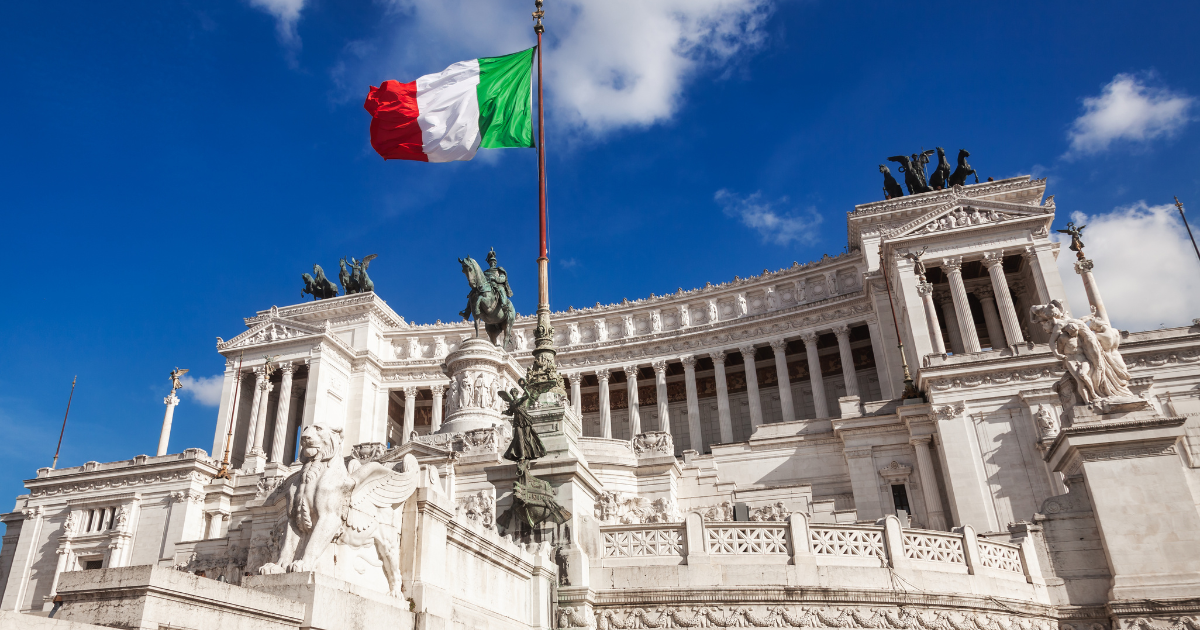 Memory
History of Italy
From ancient Rome to the Risorgimento, a journey through the historical layers that formed the Italian identity.
 Territory
Italian regions
Flags, regional languages, personalities, surnames and family histories in each region.
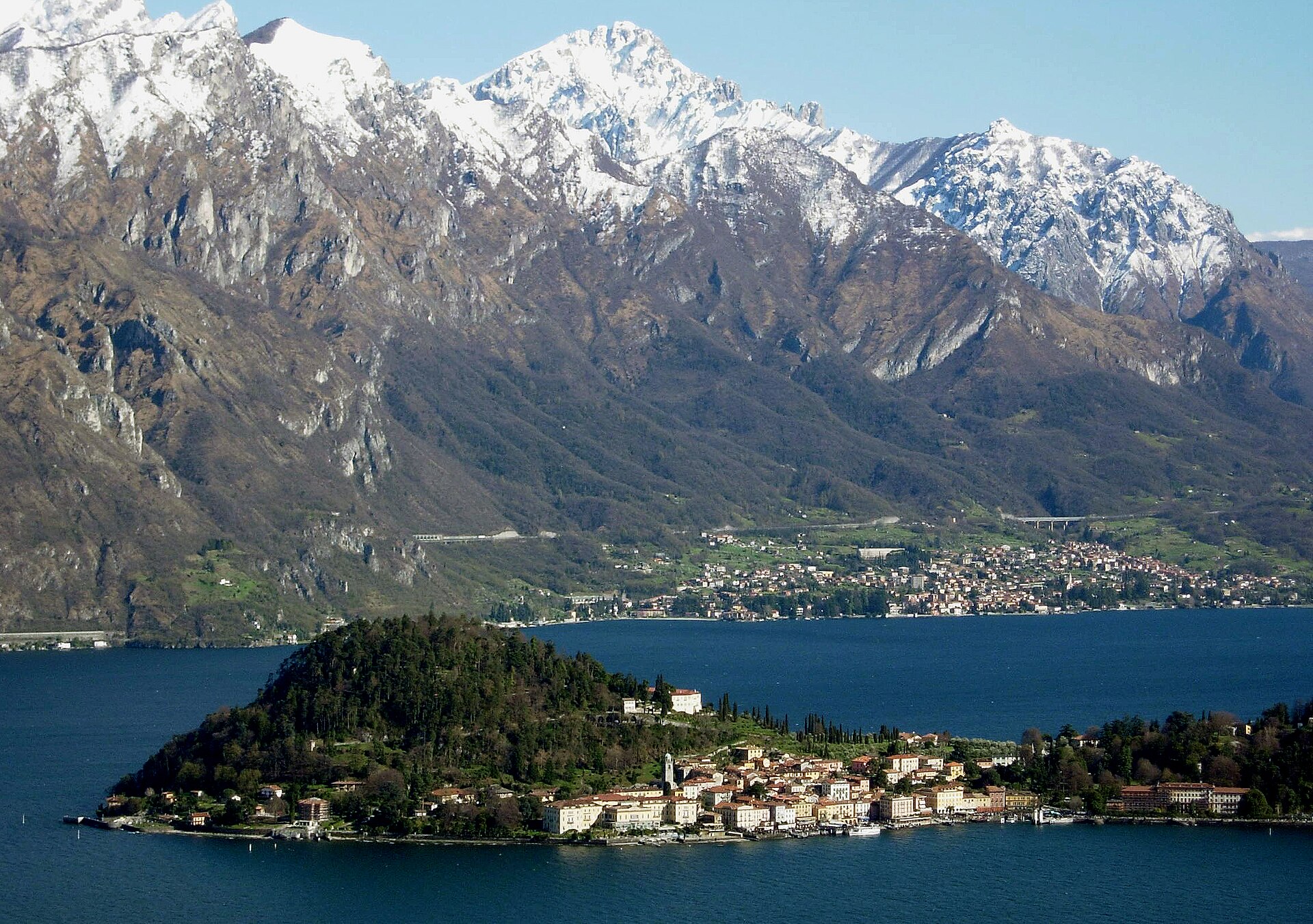 Landscape
Lakes of Italy
Como, Garda, Maggiore and other lakes that hold villages, mountains, historical routes and Italian beauty.
 Mediterranean
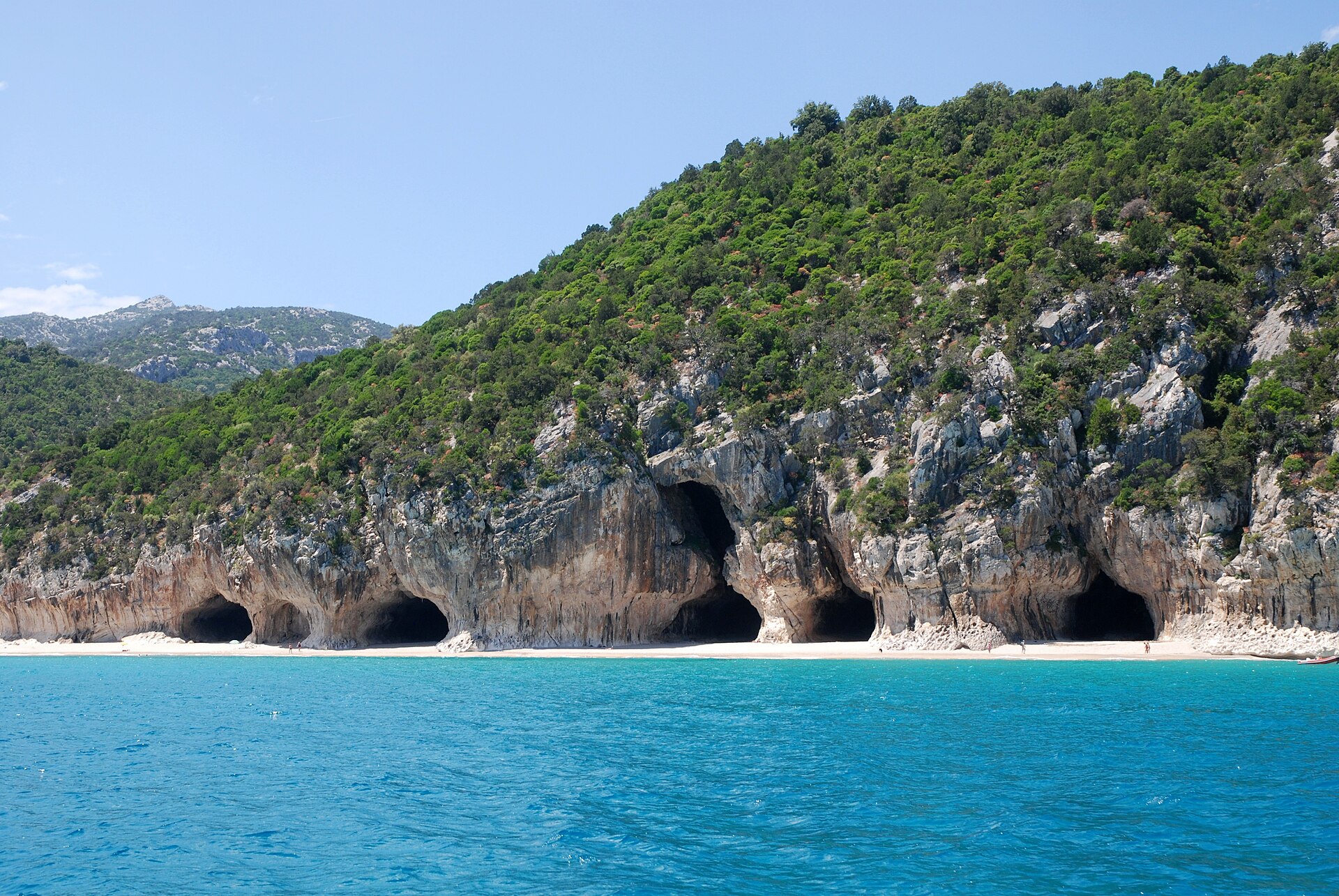
Sardegna Island
Sea, nuraghi, Sardinian language, island culture and one of Italy's oldest identities.
 Diaspora
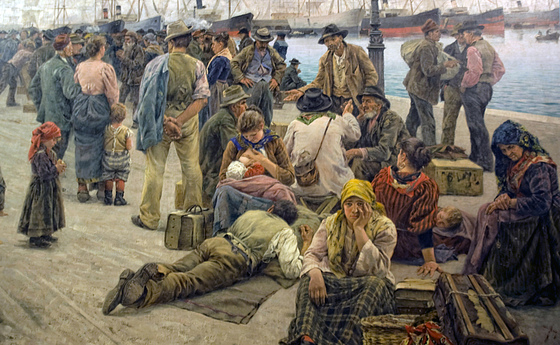
Italian immigration in the world
The departure, the work, the communities and the Italian presence that crossed oceans.
 1861
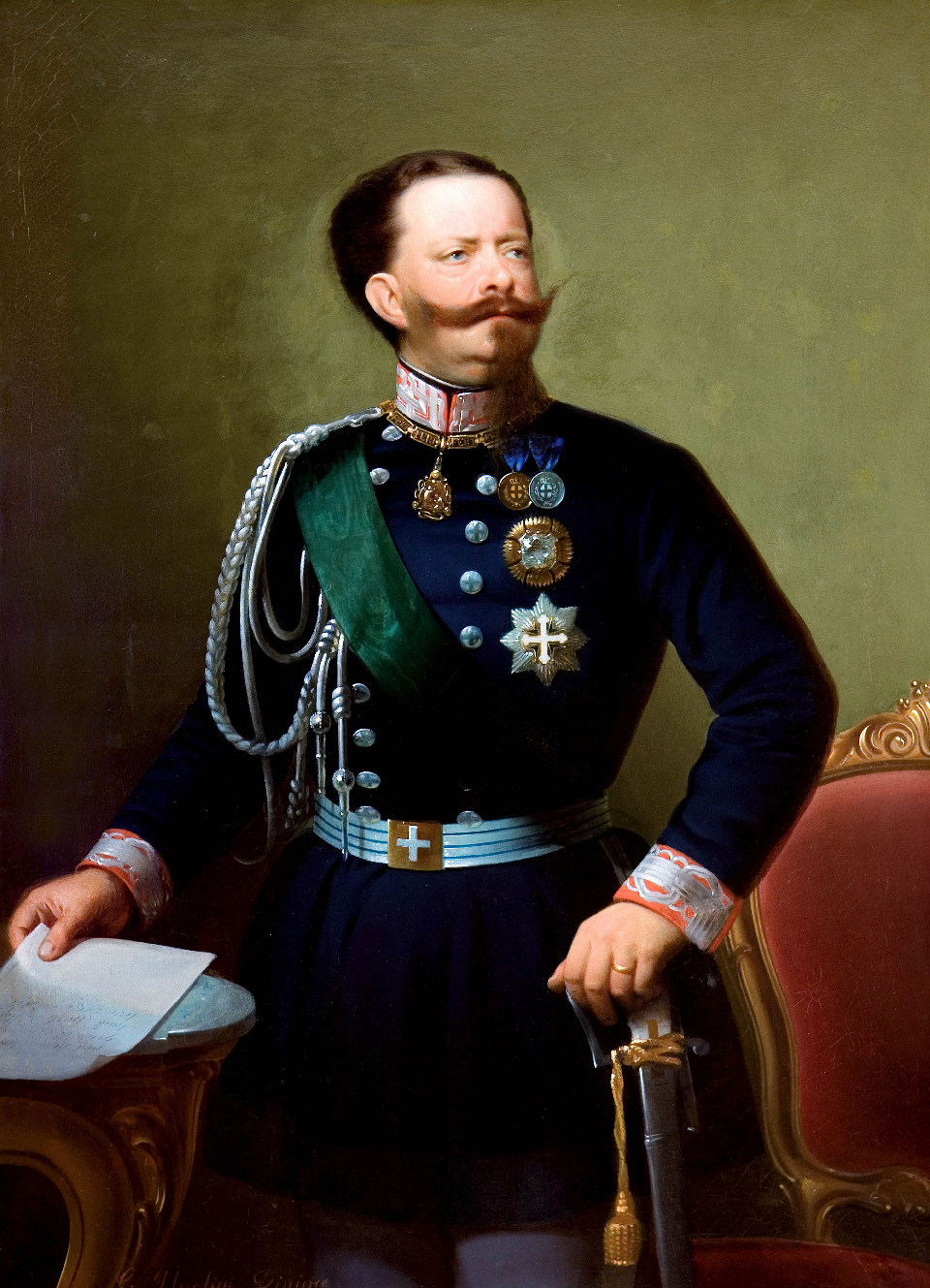
Kingdom of Italy
The formation of the Italian State, unification, the monarchy and national symbols.
 1946
Italian Republic
The birth of the Republic, the Constitution and the institutional organization of the Italian State.
 State
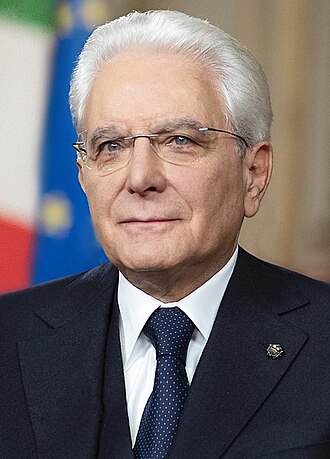
Presidents of the Republic
The role of the President as head of state, institutional guardian and symbol of national unity.
 Government
Prime Ministers
The role of the President of the Council of Ministers and the political conduct of the Italian government.
 Democracy and participation
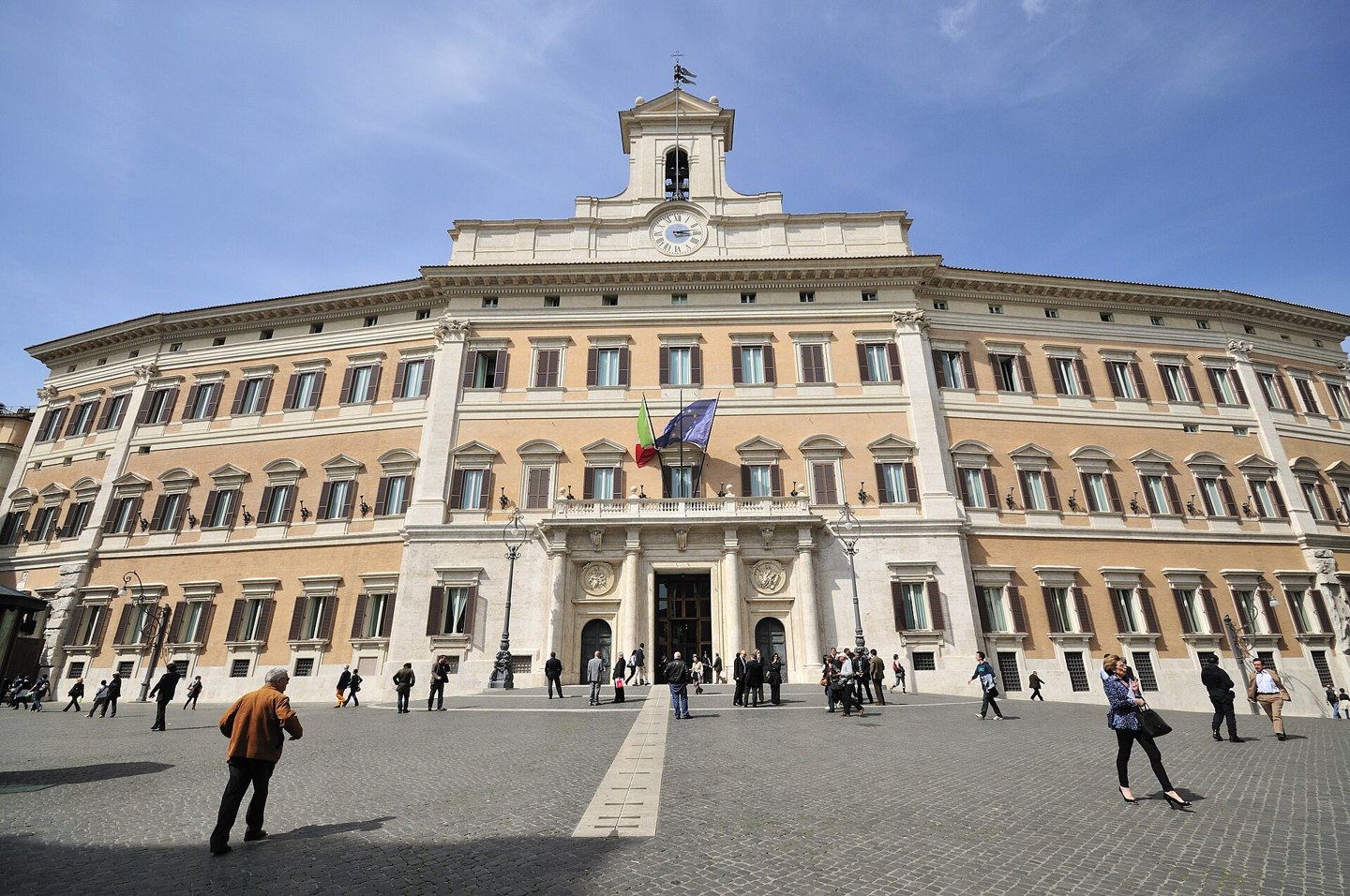
Parties, Parliament and elections in Italy
How political parties, the Chamber and Senate, municipal and regional elections, government formation and referendums work in the Italian Republic.
 Justice and institutions
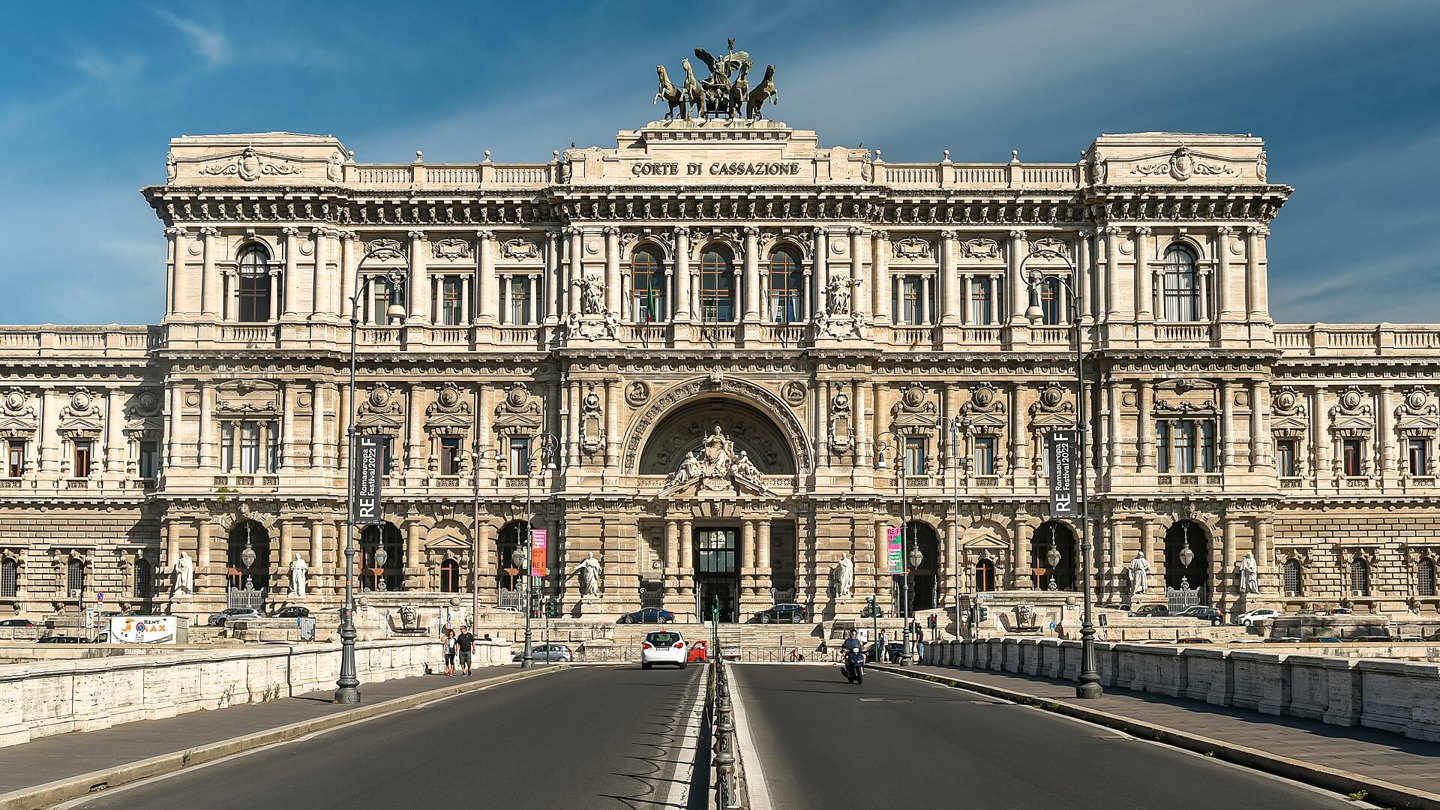
Italy’s judiciary: courts and jurisdictions
From the justice of the peace to the Court of Cassation: the court system, the Constitutional Court’s role and where Italian citizenship cases are heard.
 Pilgrimage, landscape and memory
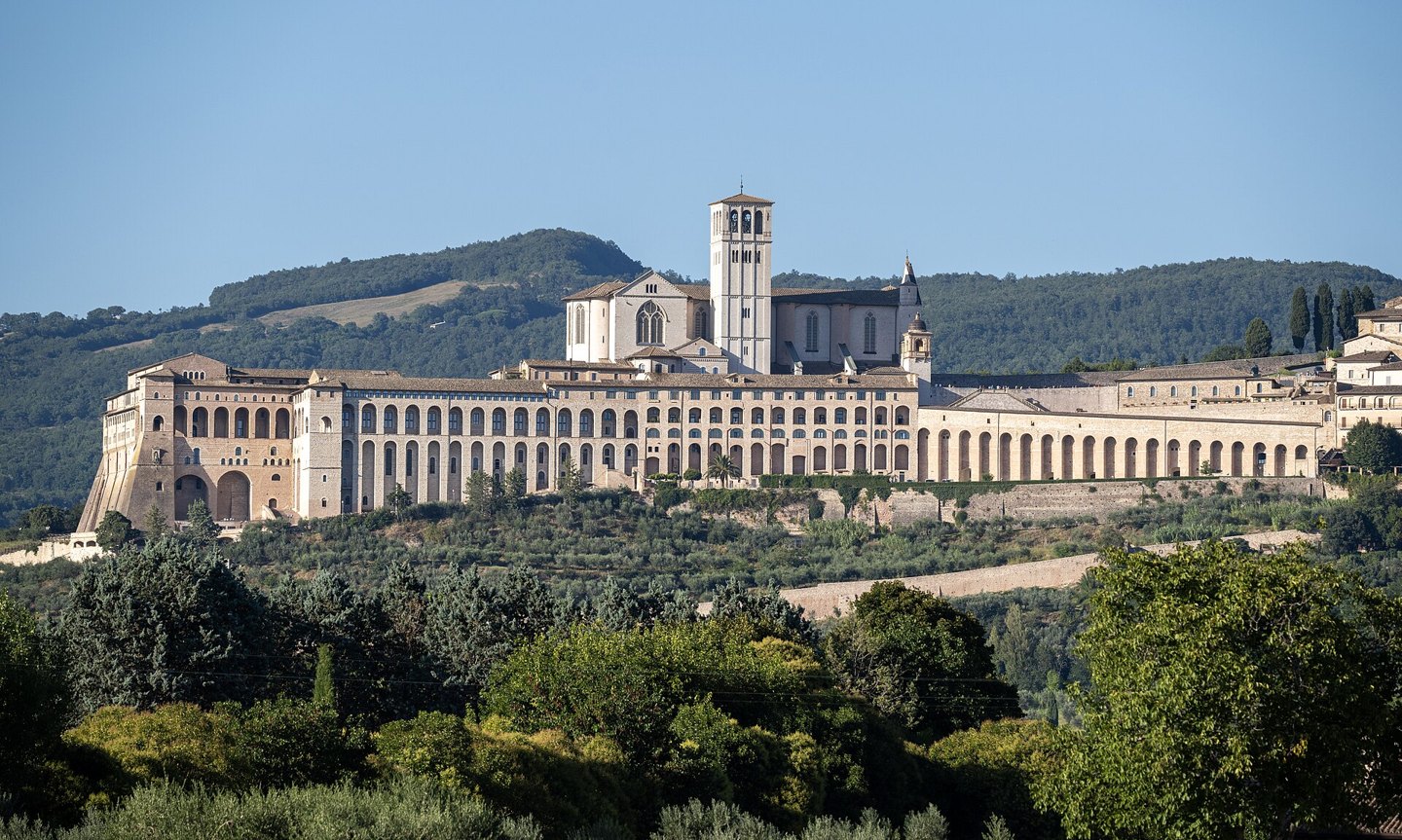
The Assisi Way and the paths of Saint Francis
Routes connecting nature, towns and Franciscan places, with Assisi as a spiritual and cultural landmark — and a new promotional initiative presented in 2026.
 Legacy
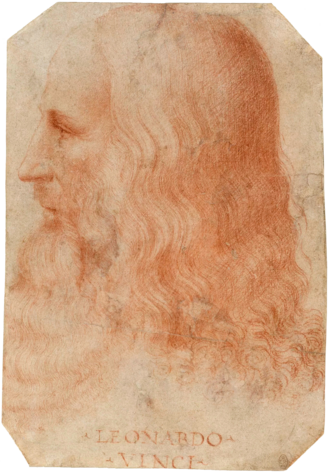
Important figures
Characters who marked the culture, politics, art, science and history of Italy.
 Holy See
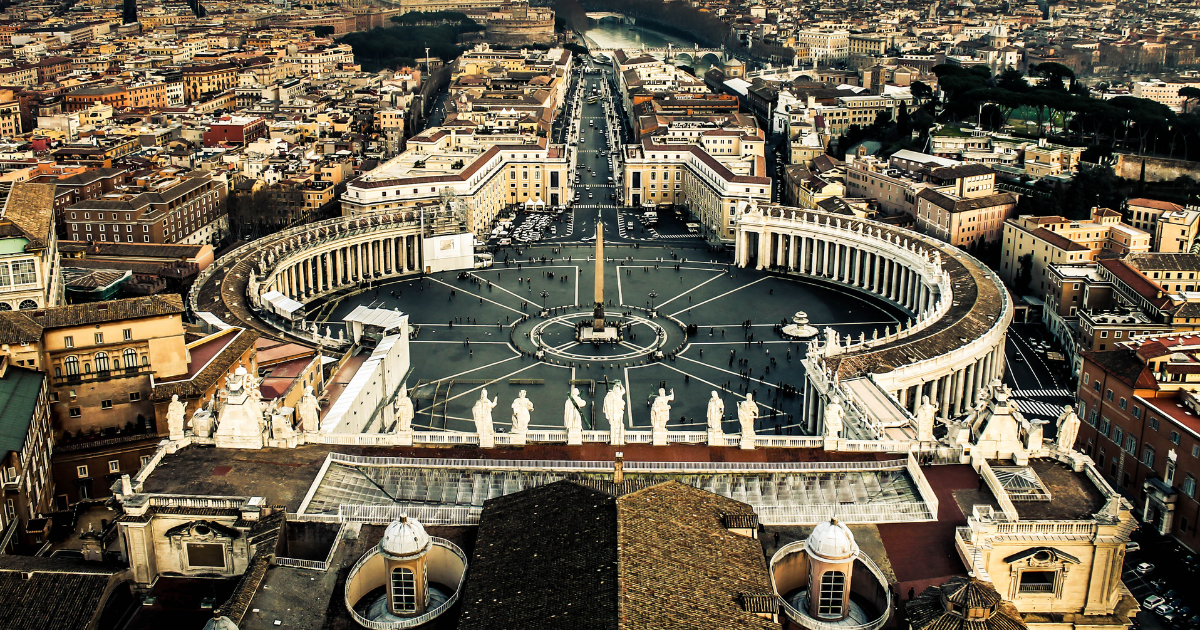
Vatican City
The smallest state in the world, the spiritual heart of Catholicism and a unique presence within Rome.
 ancient republic
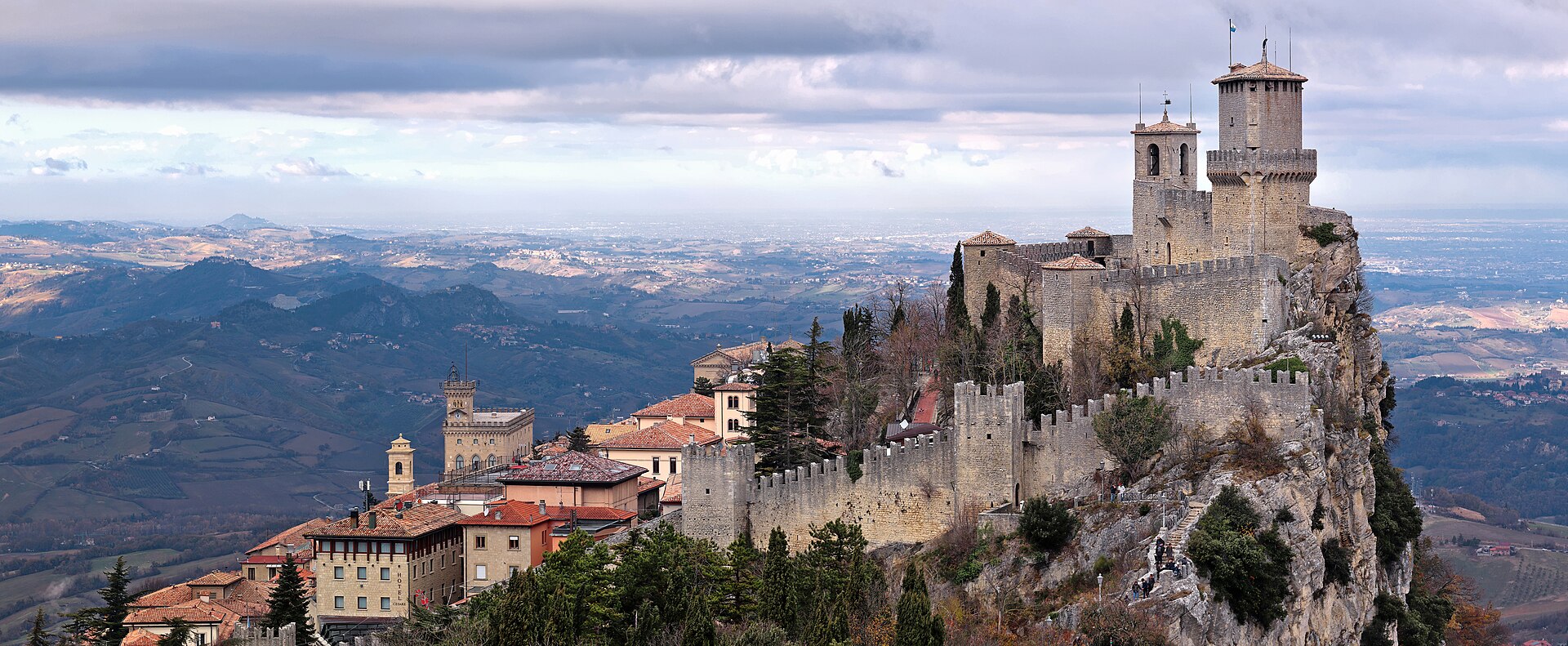
San Marino
One of the oldest republics in the world, surrounded by Italy and linked to the history of the peninsula.
 Faith and culture
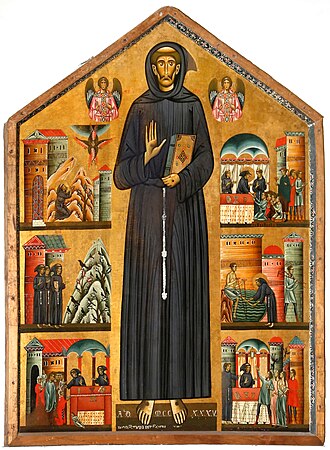
Italian saints
Religious figures who marked Italian spirituality, art, education and memory.
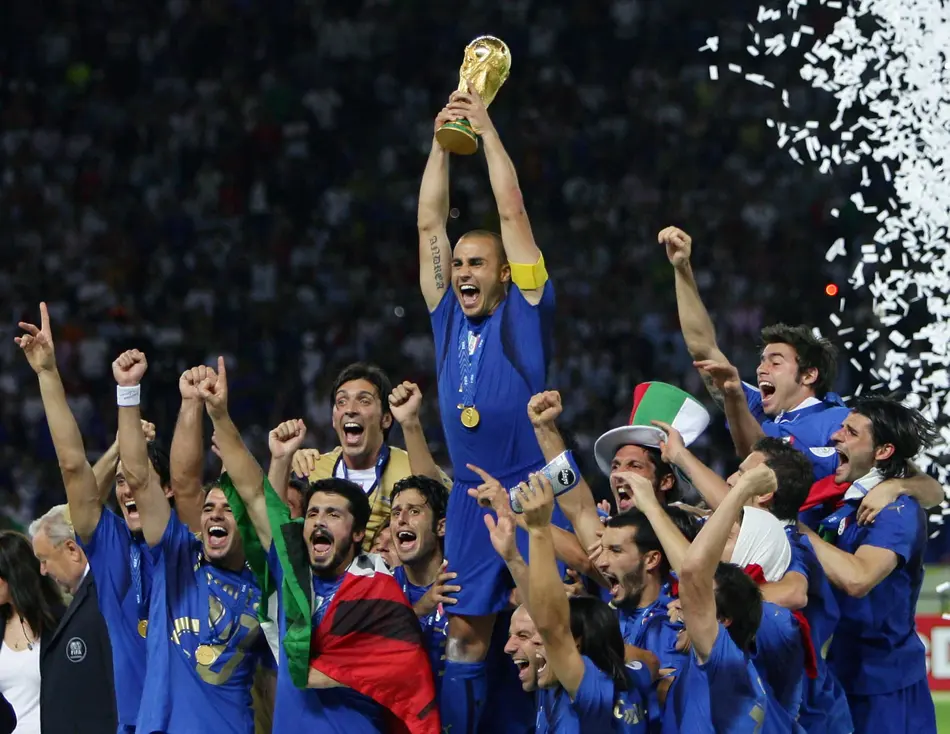 Azzurra
Italian football teams
Historic clubs, regional rivalries and the symbolic strength of the Italian team.
Historical line
Modern Italy was born from a long historical process. For centuries, the peninsula was formed by kingdoms, duchies, maritime republics, Papal States and territories linked to different European powers.
The Kingdom of Italy was proclaimed in 1861. In 1946, after a referendum, Italy became a Republic.
The traditional date of its foundation marks the beginning of the trajectory of a Latin city that would transform the peninsula and the Mediterranean.
Rome replaces the monarchy with republican institutions and begins a long expansion across Italy and beyond.
Octavian receives the title of Augustus and conventionally inaugurates the era of emperors.
Under Trajan, Roman rule reached its greatest territorial extent, connecting Europe, Africa and Asia.
The deposition of Romulus Augustulus conventionally ends the Western Roman Empire.
After the Congress of Vienna, the peninsula remained divided between kingdoms, duchies, Papal States and areas under Austrian influence.
Vittorio Emanuele II became king of Italy, marking the political consolidation of the unification process.
The entry into Rome ended the central territorial issue of unification and the city became the country's capital.
The institutional referendum replaced the monarchy with the Italian Republic.
The Republican Constitution came into force and began to guide the institutions of the Italian State.